MAD Architects Completes Shenzhen Bay Culture Square as a Coastal Museum Landscape
In Nanshan’s Houhai district, the 188,000-square-meter cultural complex turns a museum brief into a public terrain between Shenzhen’s business skyline and the bay.
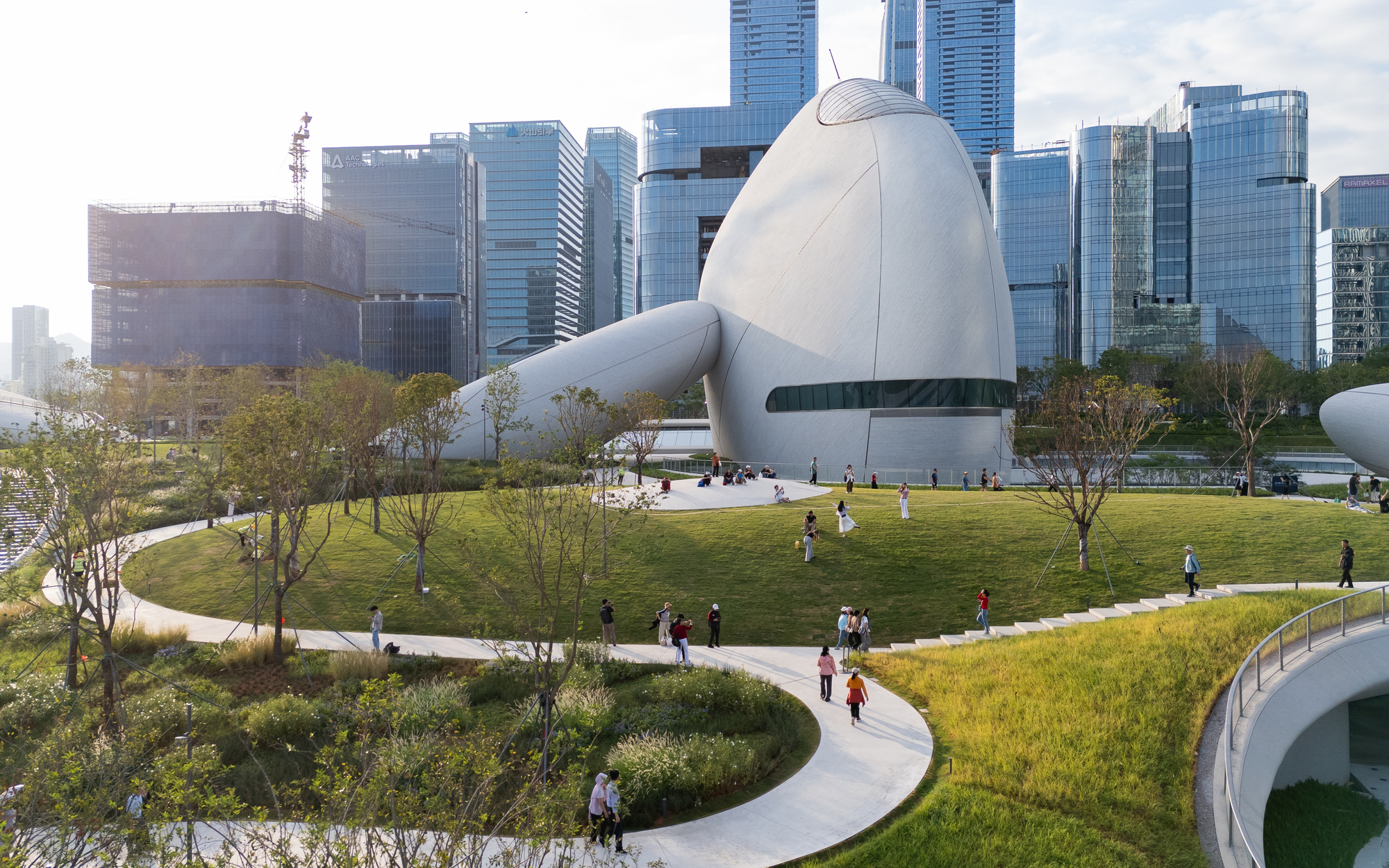
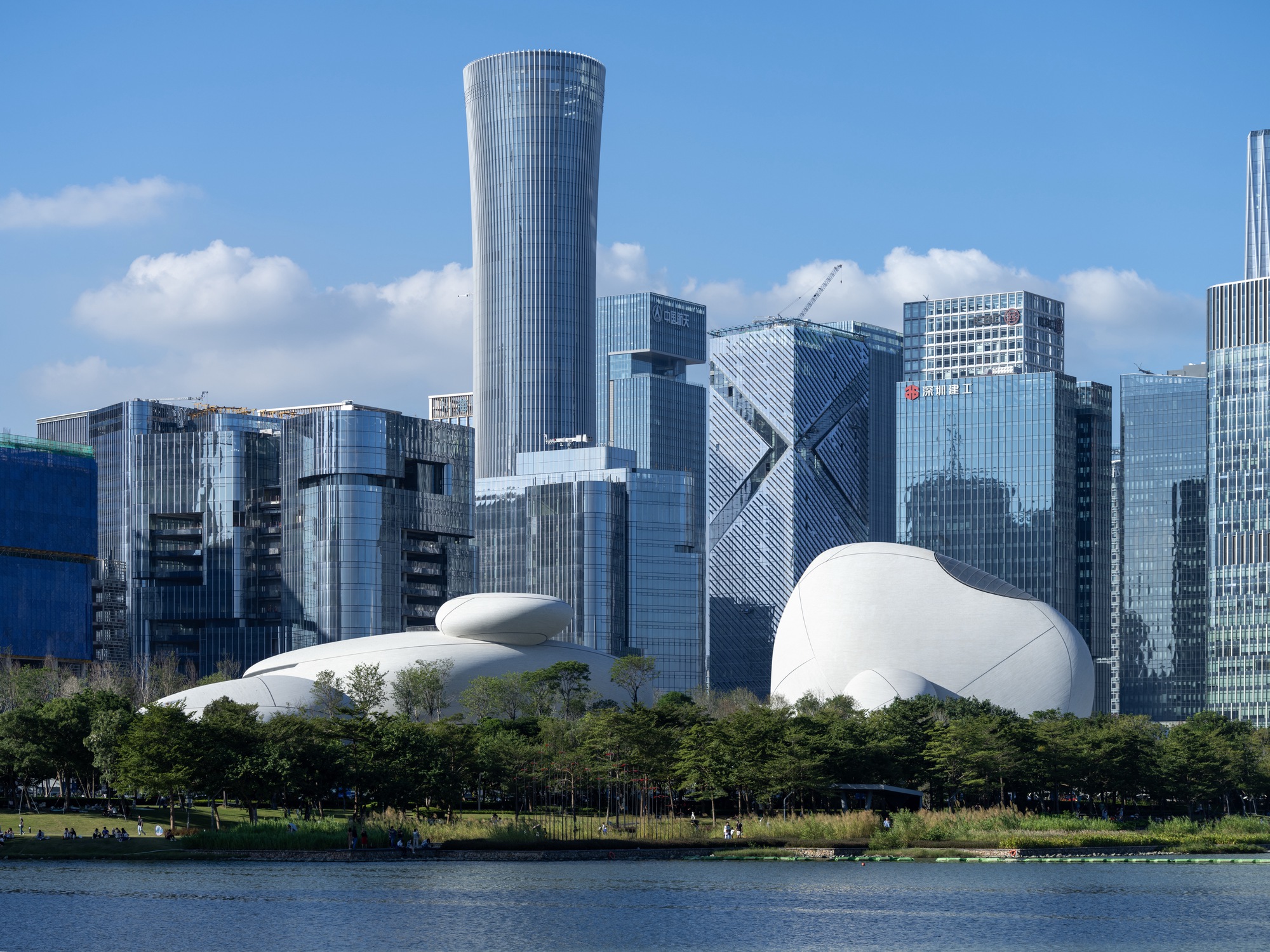
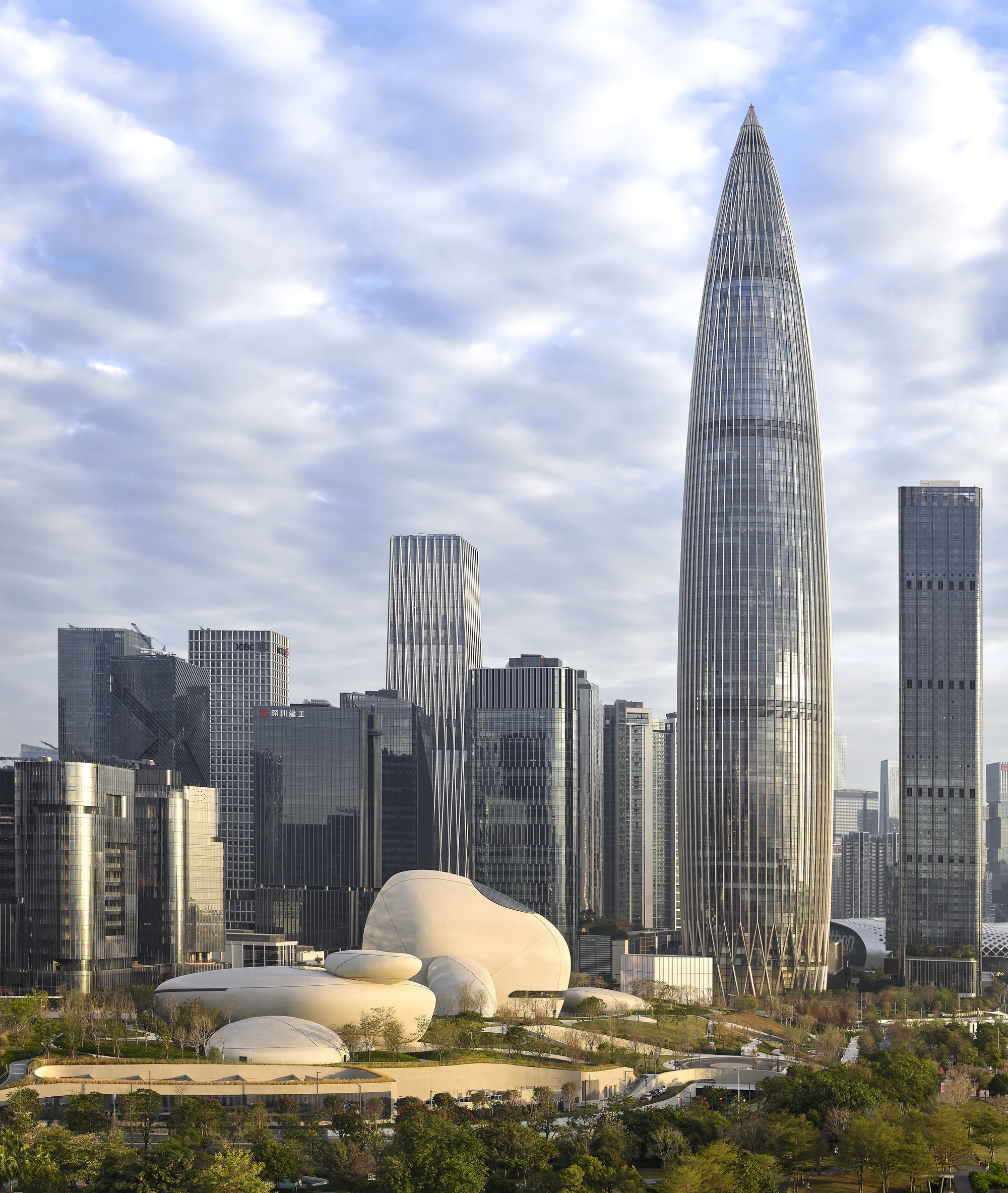
Shenzhen Bay Culture Square, a major new cultural complex in Shenzhen designed by MAD Architects, has been published as a completed 2026 project, adding a large-scale museum and public landscape to the city’s fast-developing bayfront. The project is located in Houhai, Nanshan District, and is listed by ArchDaily as a 188,000-square-meter cultural building by MAD Architects, with Ma Yansong, Dang Qun, and Yosuke Hayano among the partners in charge.
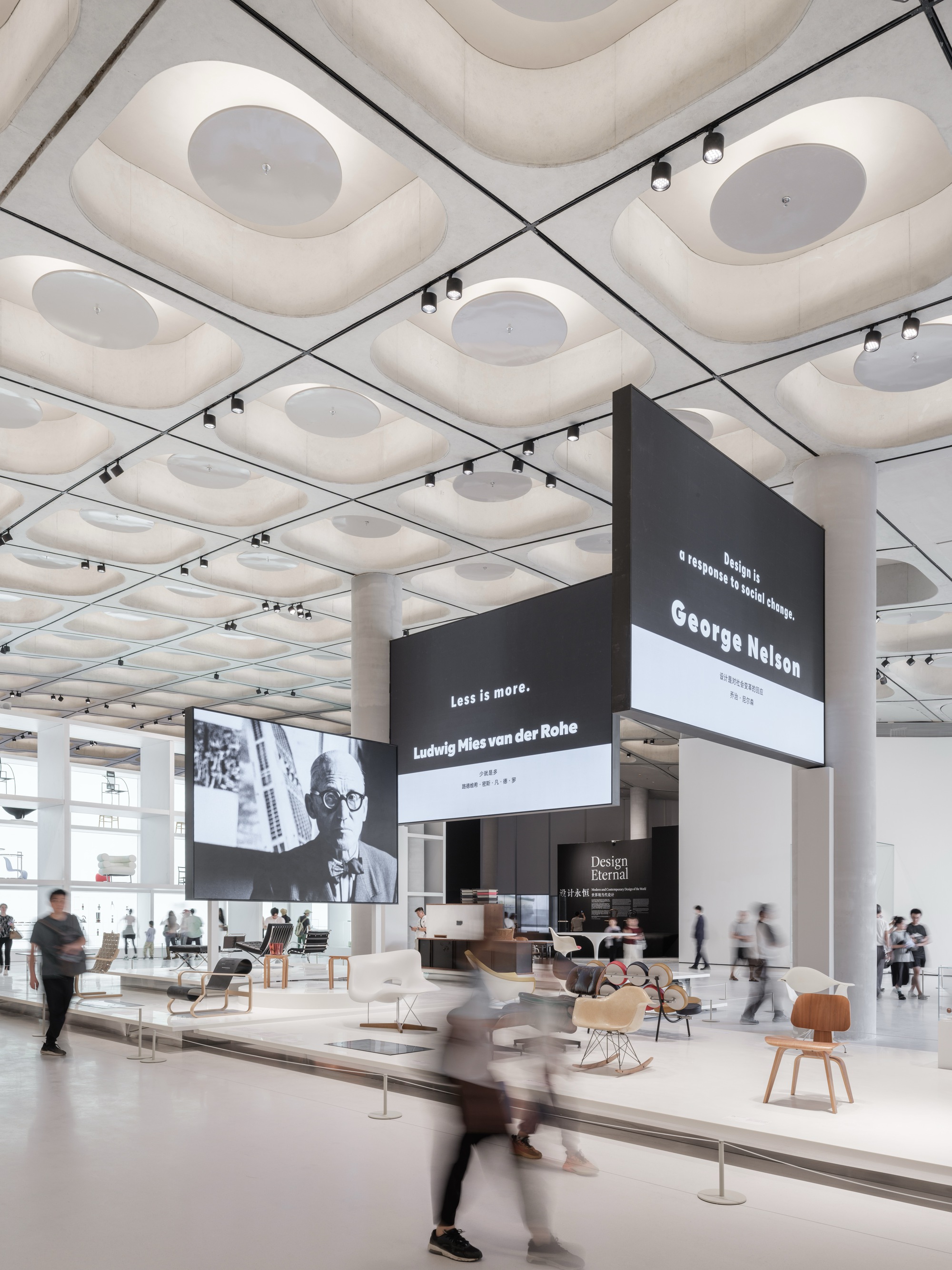
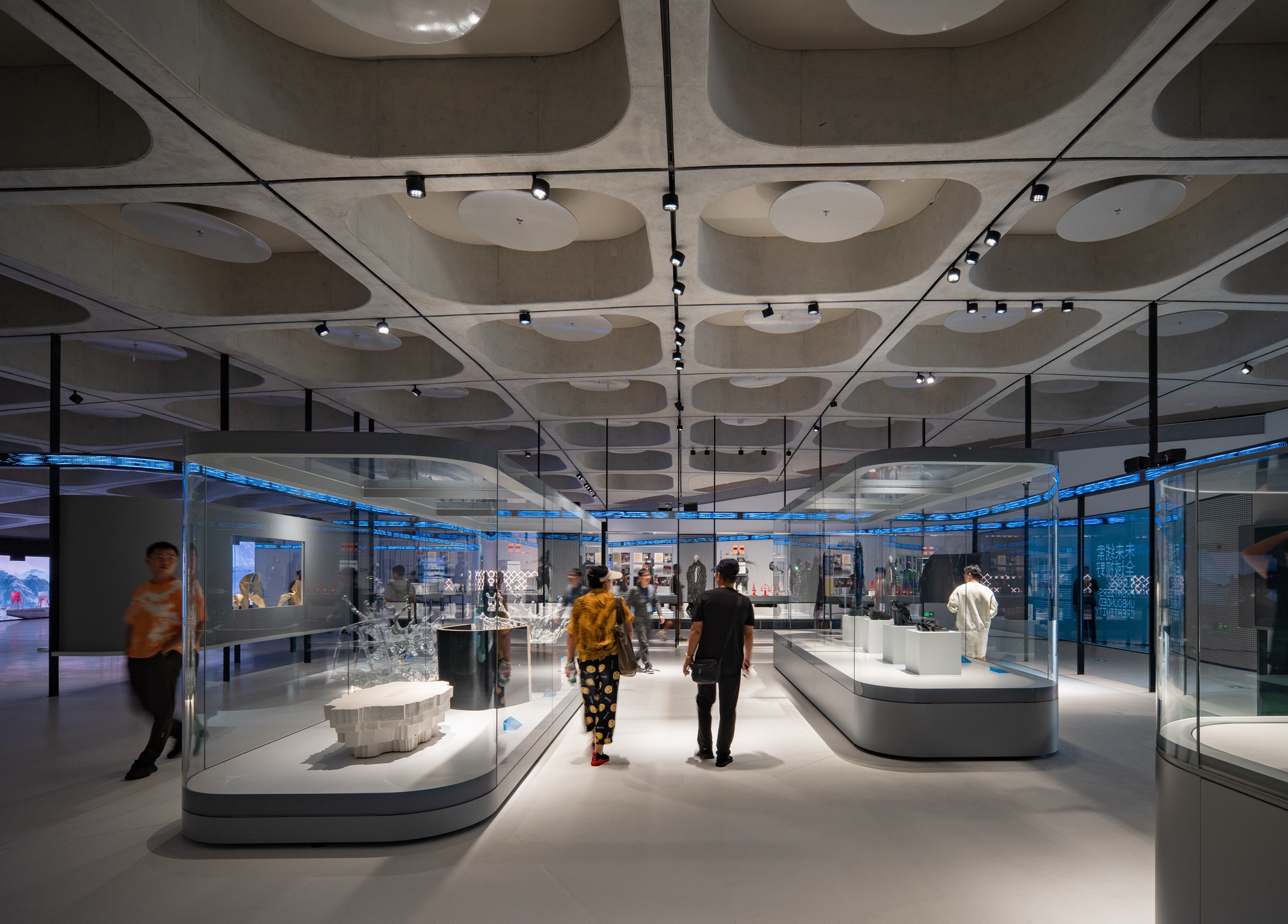
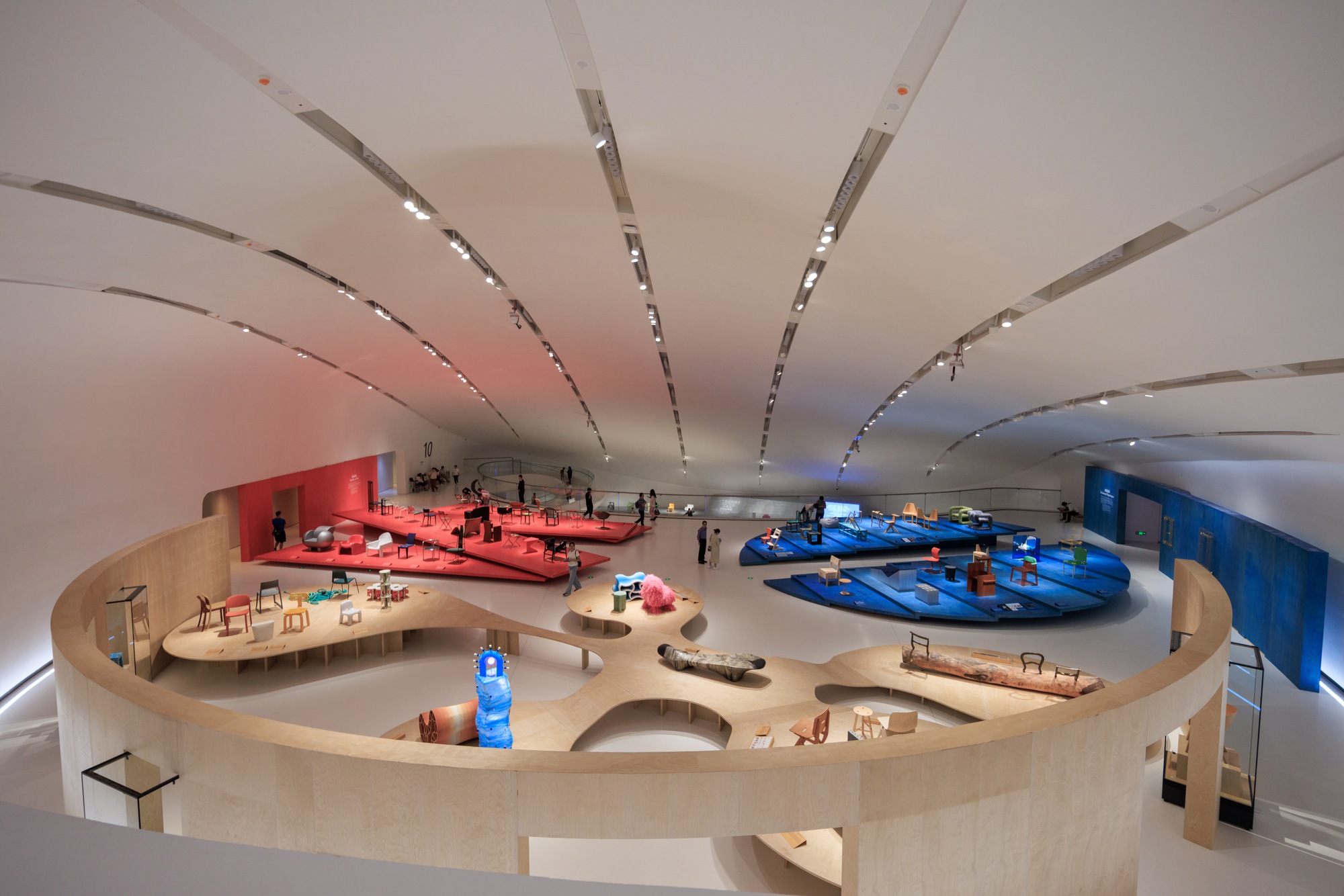
The building’s public life began earlier: Nanshan Government Online, citing Shenzhen Daily, reported that Shenzhen Bay Culture Square started its soft opening on November 1, 2025. That account identifies the complex as being in Houhai, confirms its 188,000-square-meter built area, and notes that it was operated by CR Land under China Resources Group. The opening program included exhibitions, performances, a design dialogue series, and a memorandum of cooperation with Tate Modern.
Context: A Cultural Building in a Headquarters District
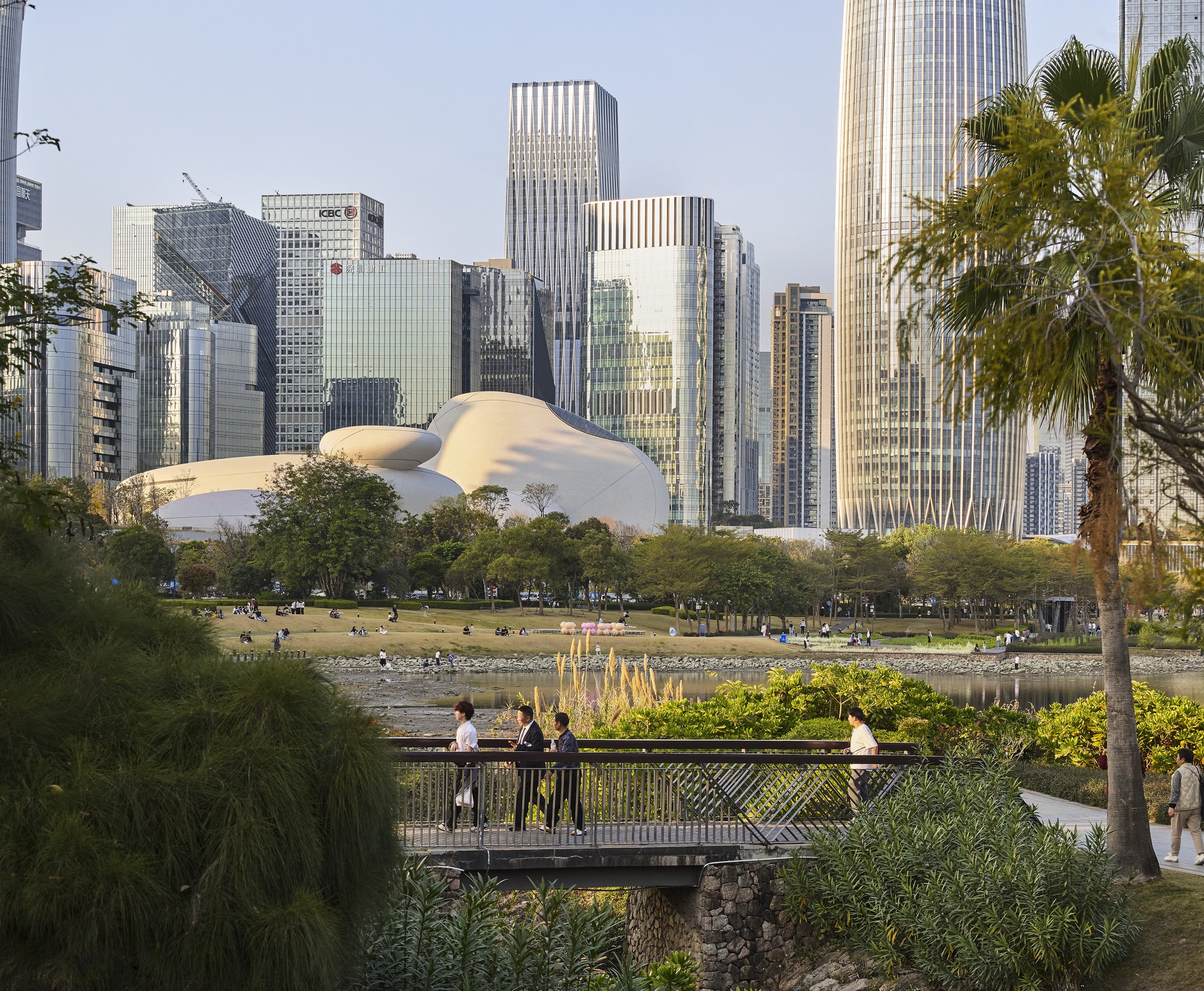
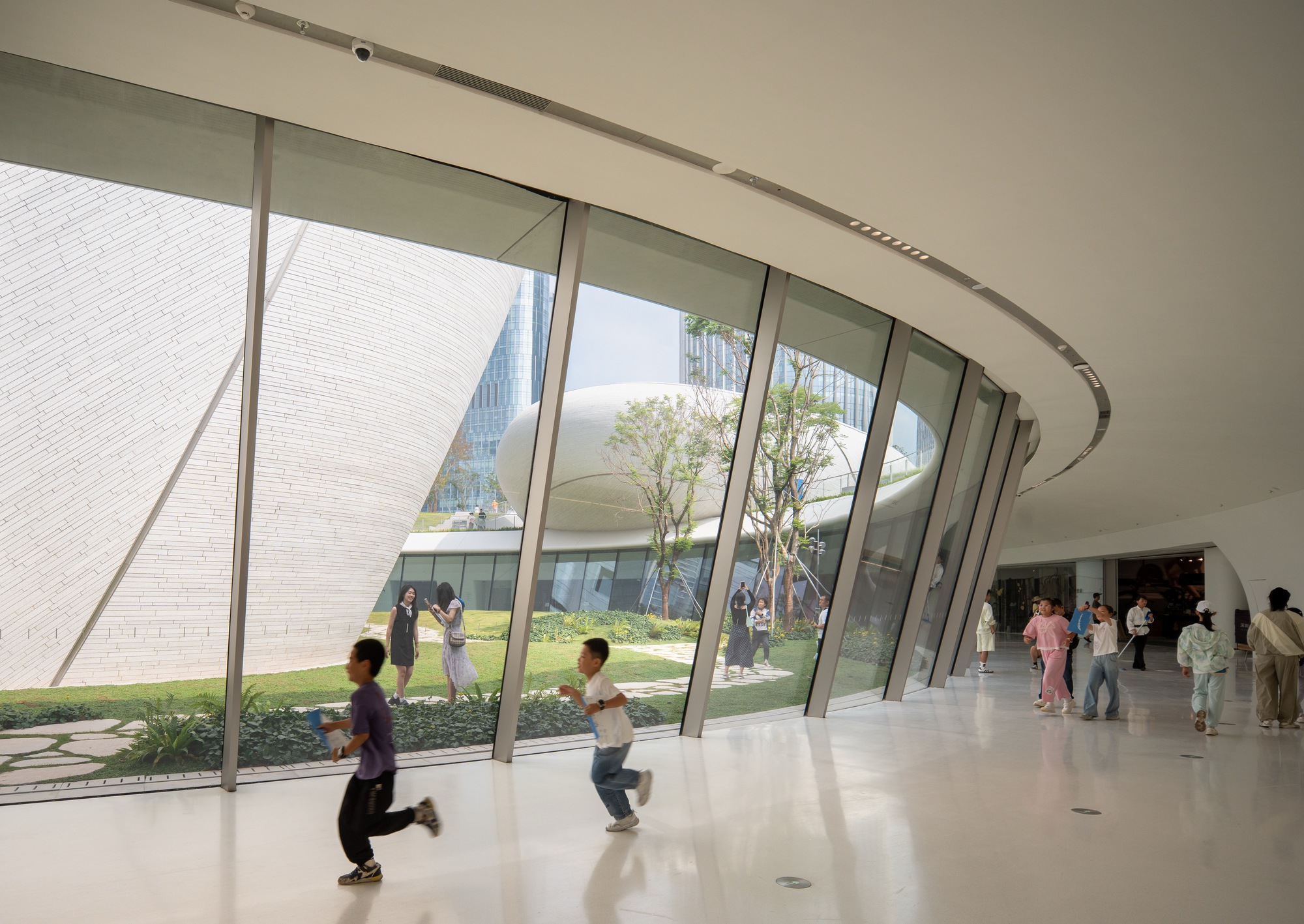
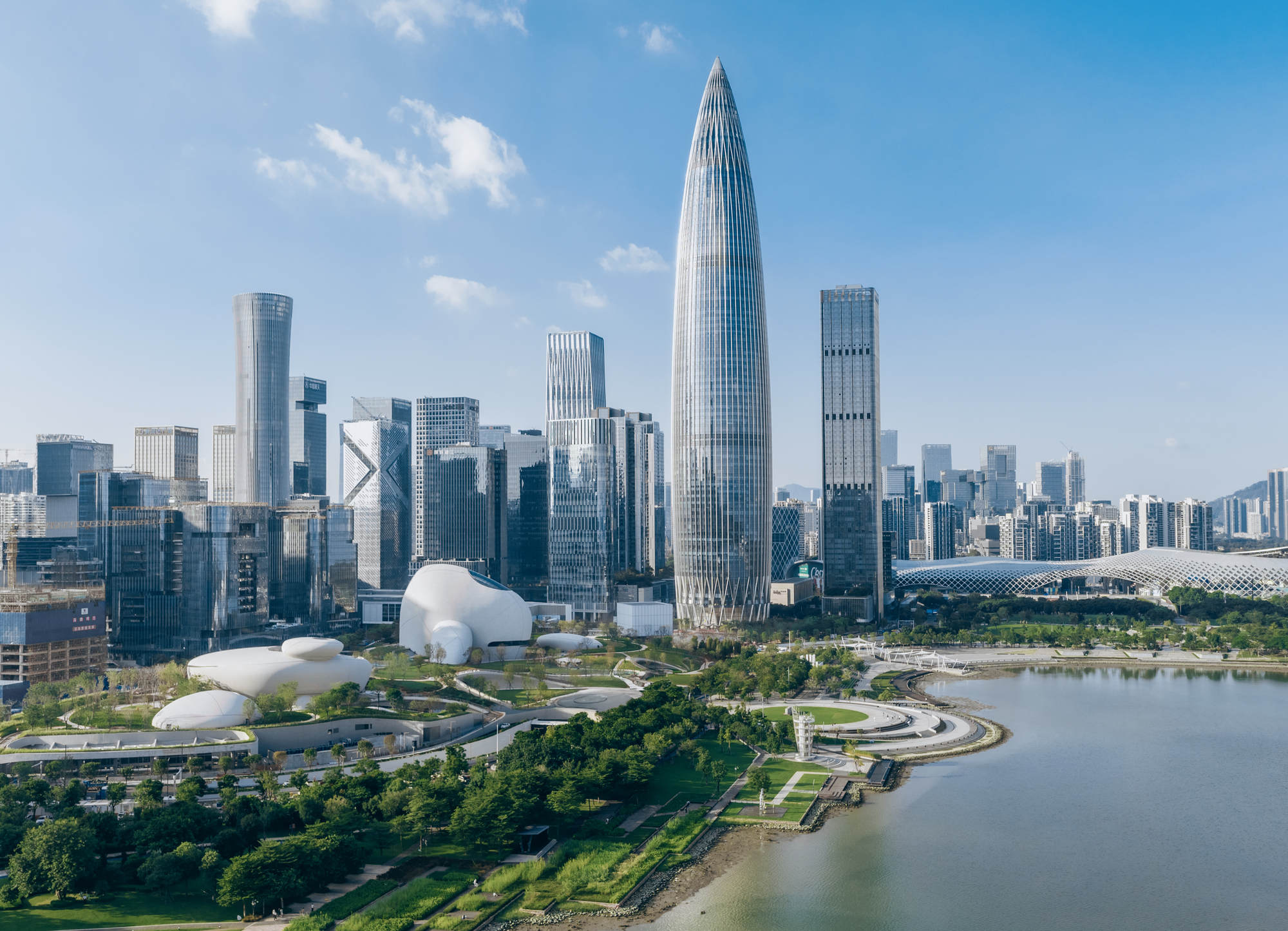
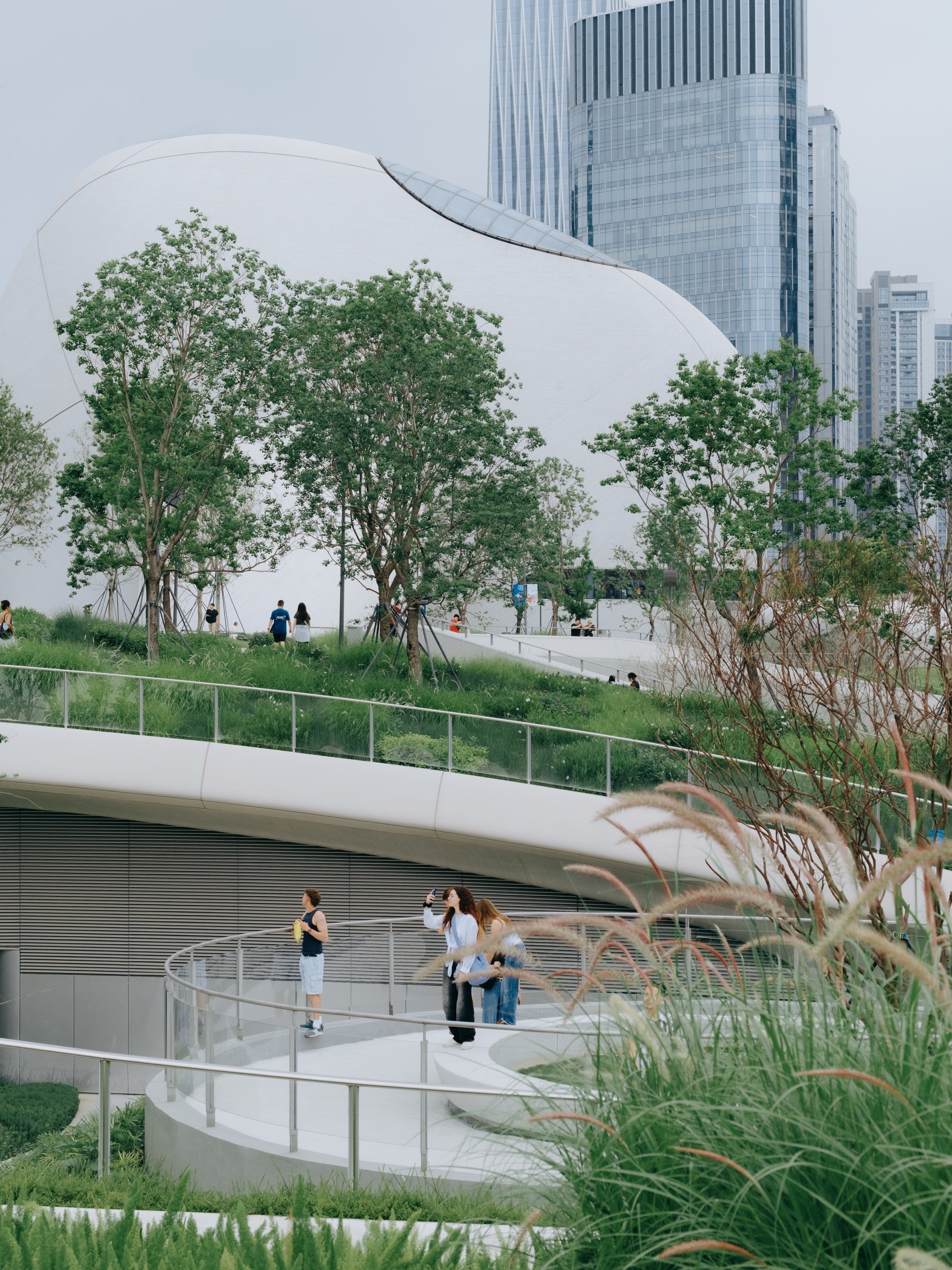
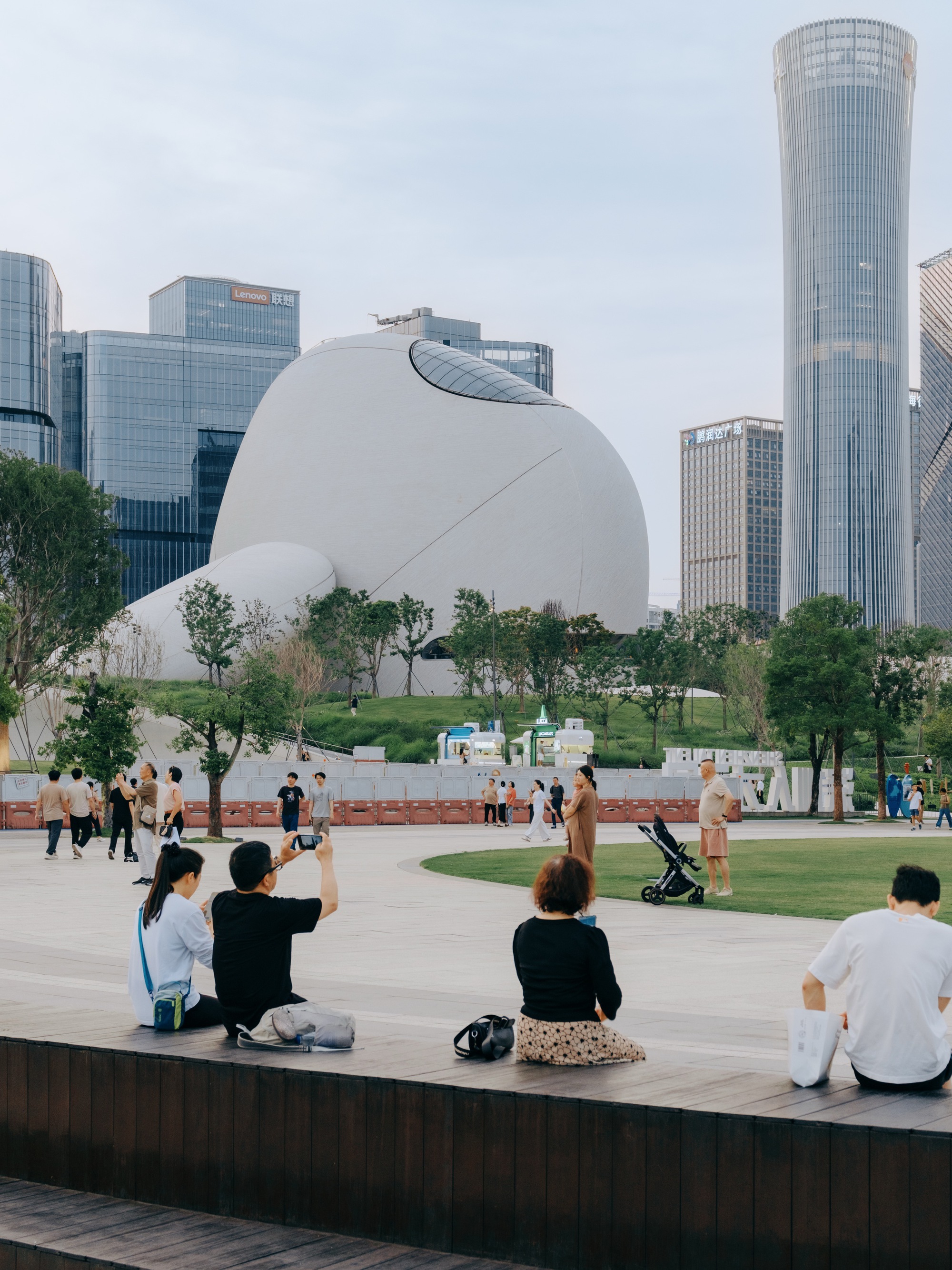
The neighboring public landscape strengthens that reading. Nanshan’s page on Shenzhen Talent Park places the park in Nanshan near the Shenzhen Bay super headquarters base and connected to the Shenzhen Bay seashore leisure area. ArchDaily’s project account describes the culture square’s green roofs as linking toward Talent Park and its public circulation as accessible from multiple sides. The claim is architectural as much as urban: the museum is not treated as a closed box at the edge of a park, but as an extension of the city’s open-ground system.
Design Significance
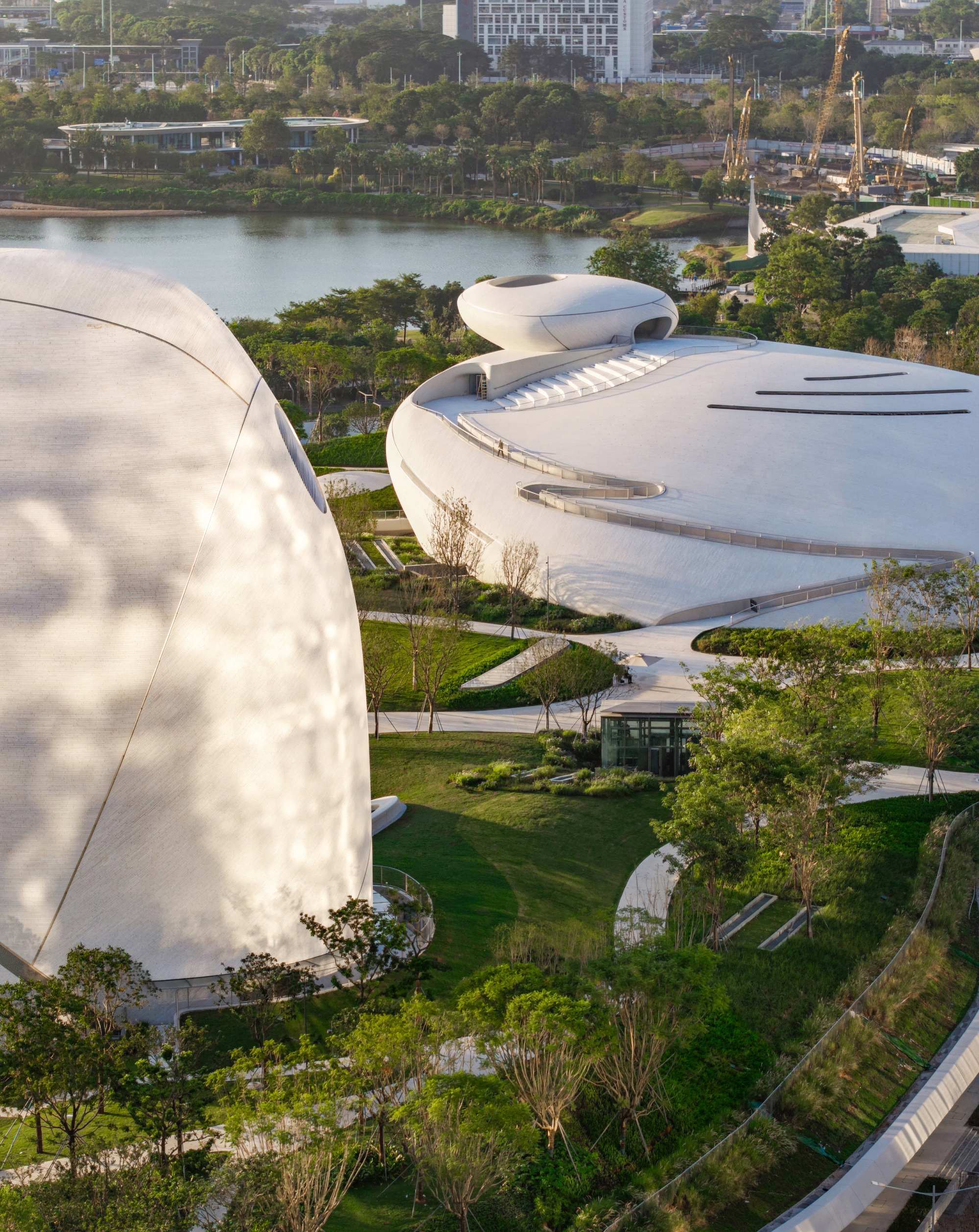
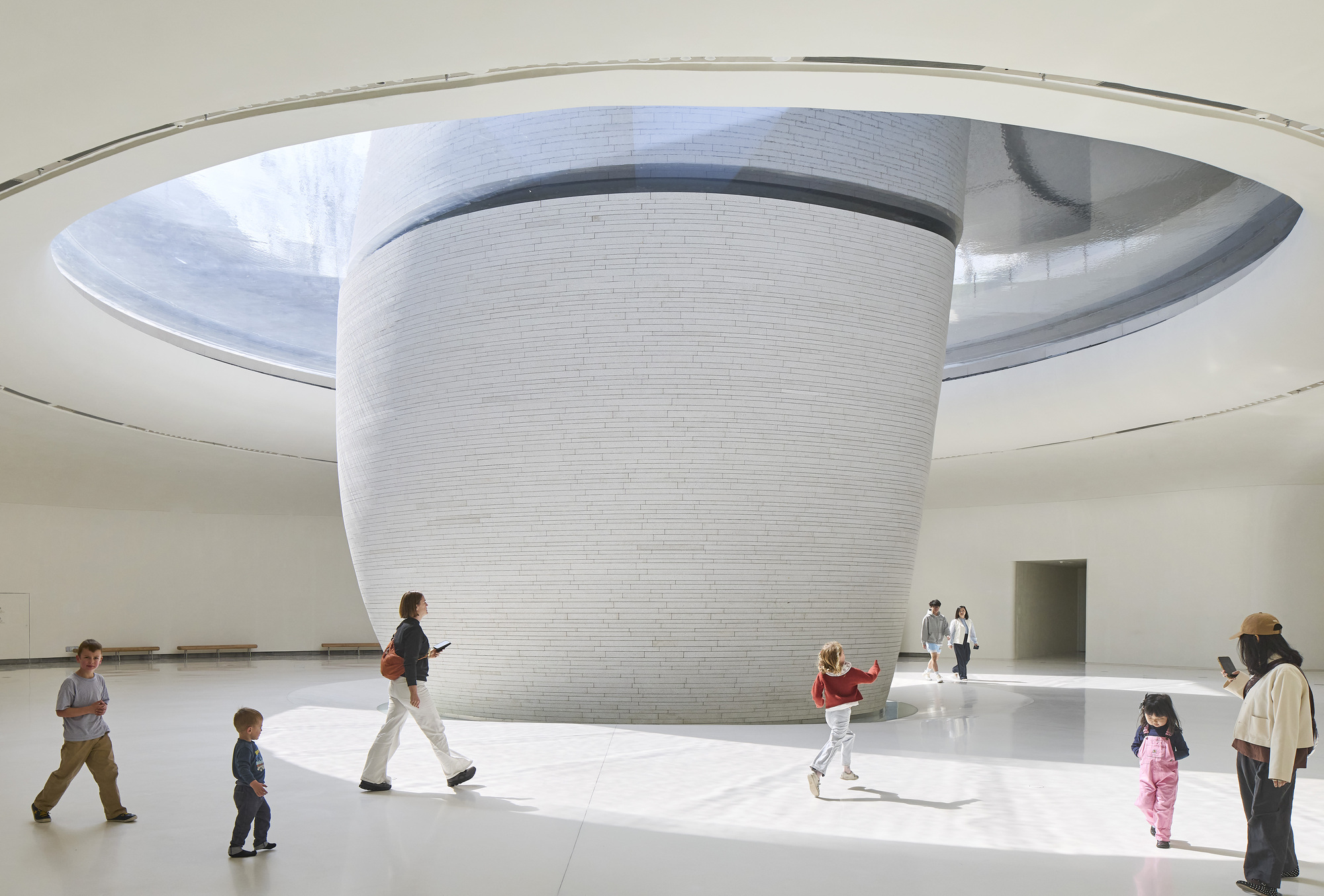
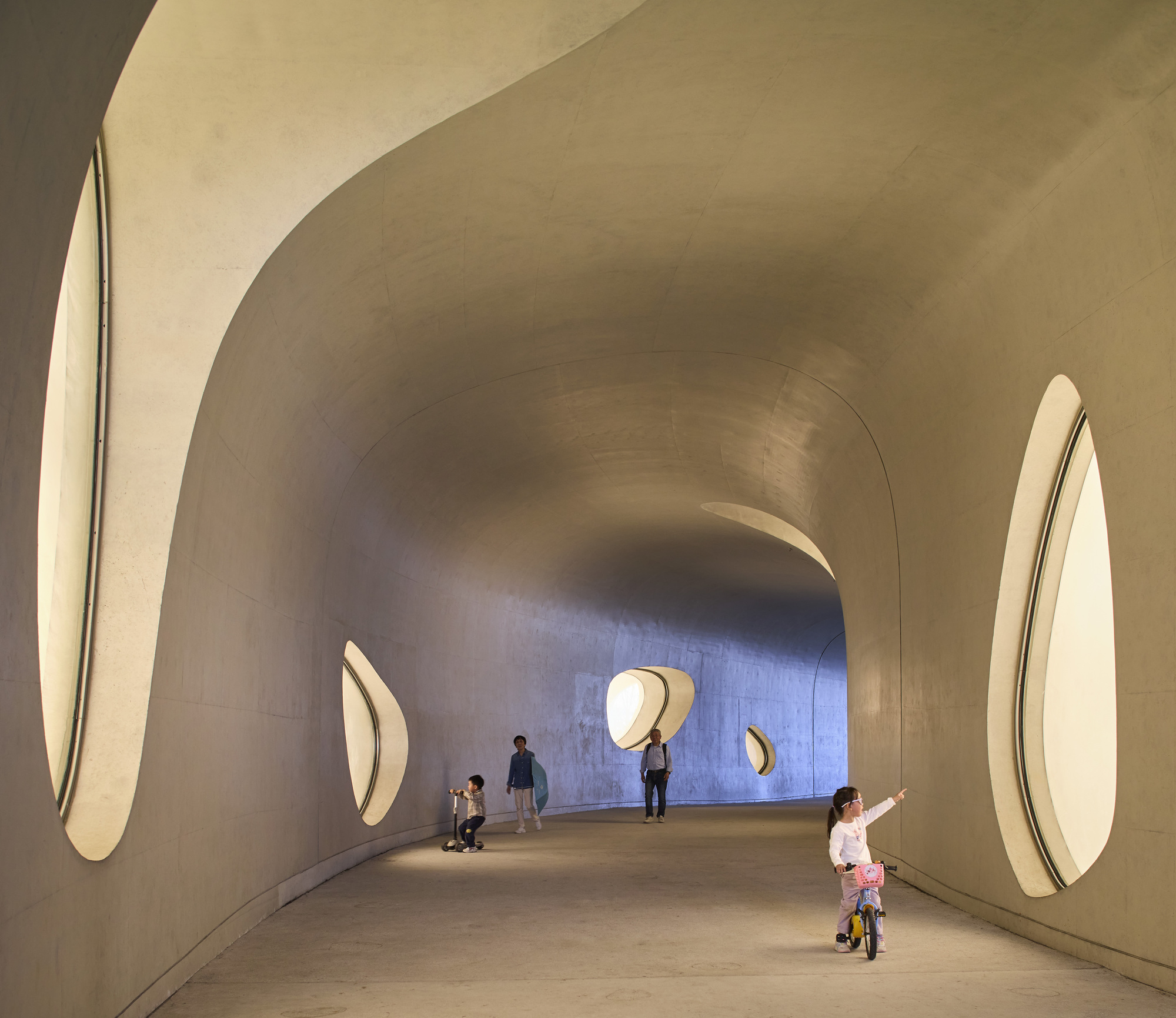
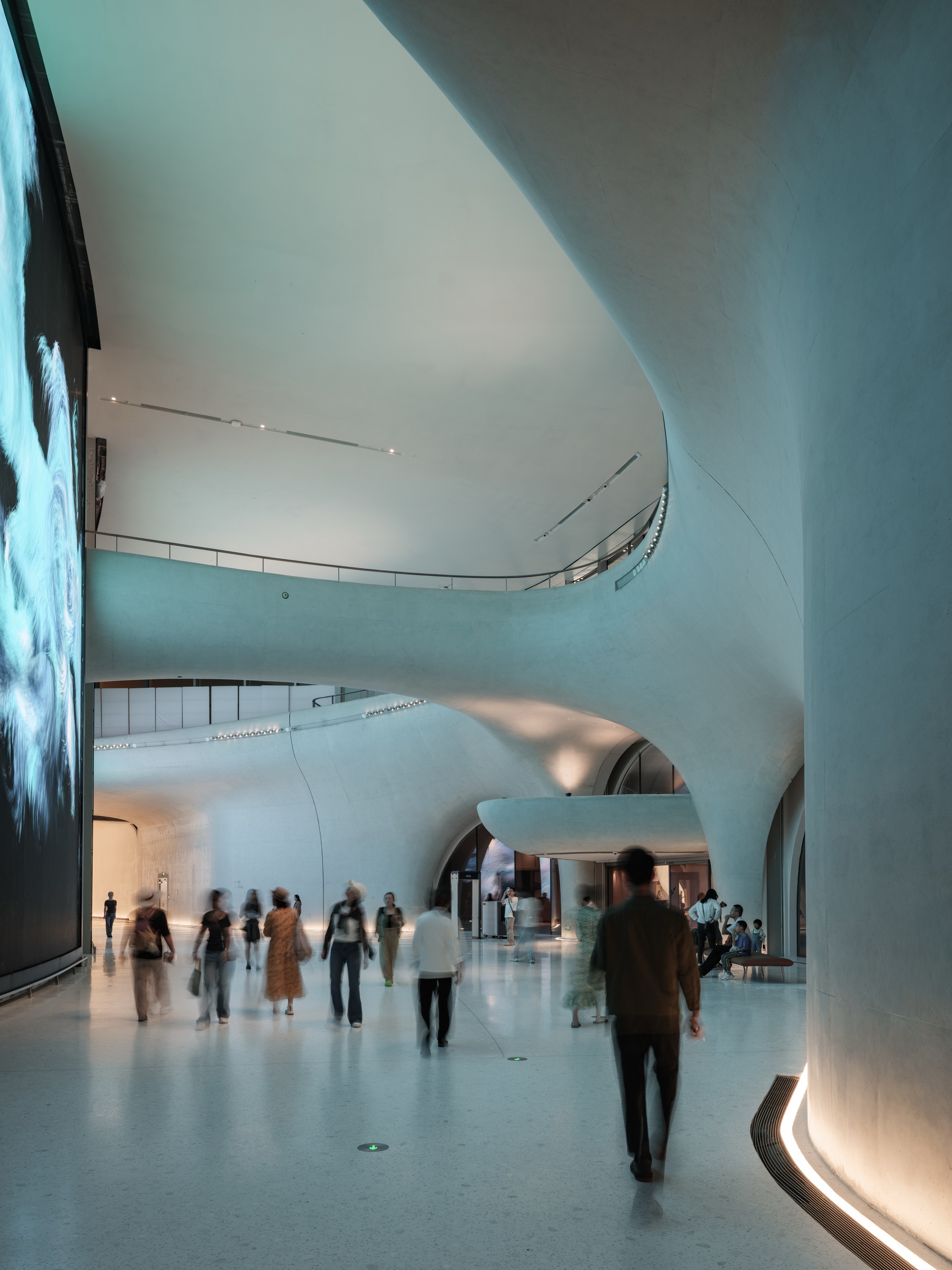
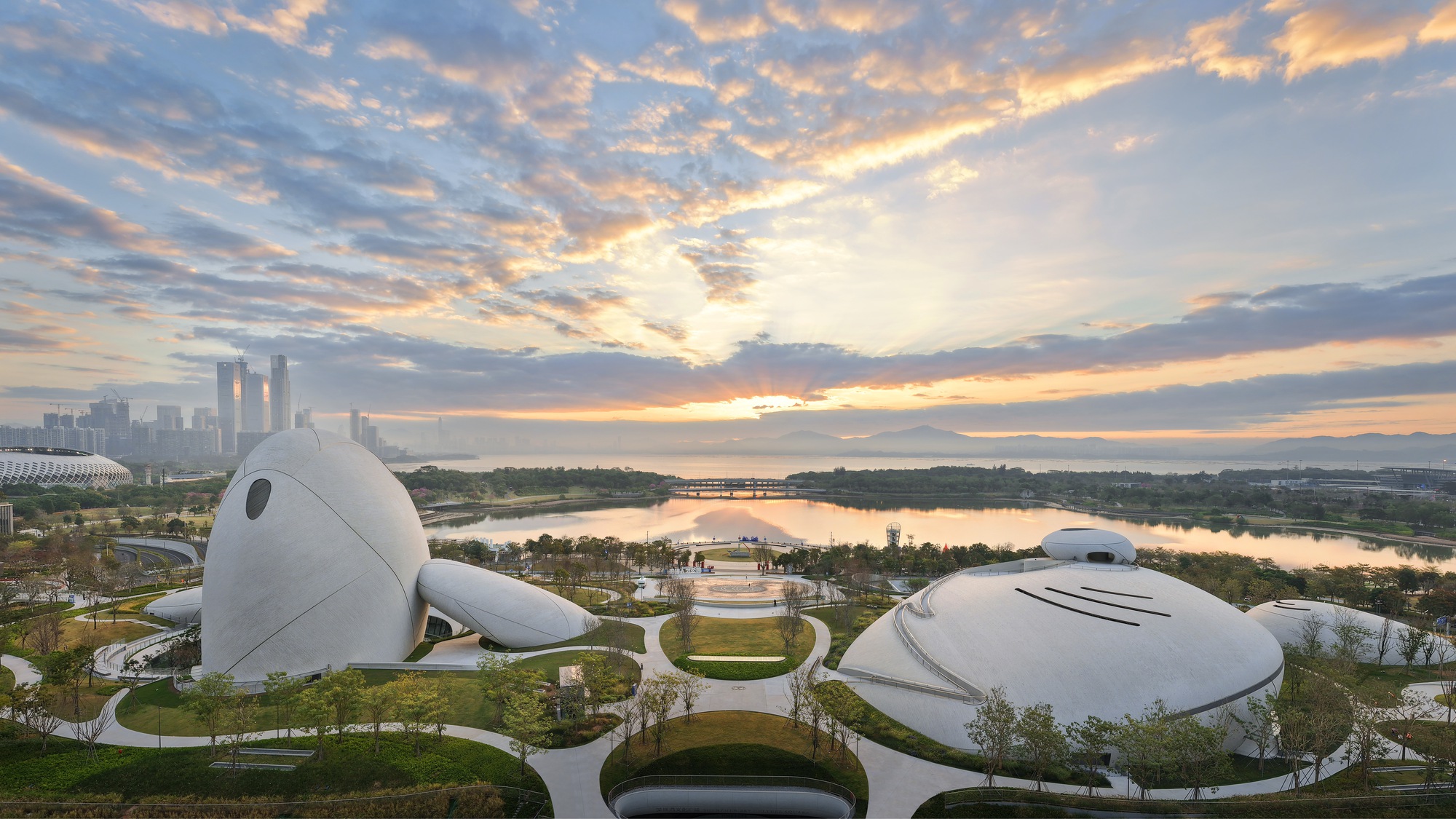
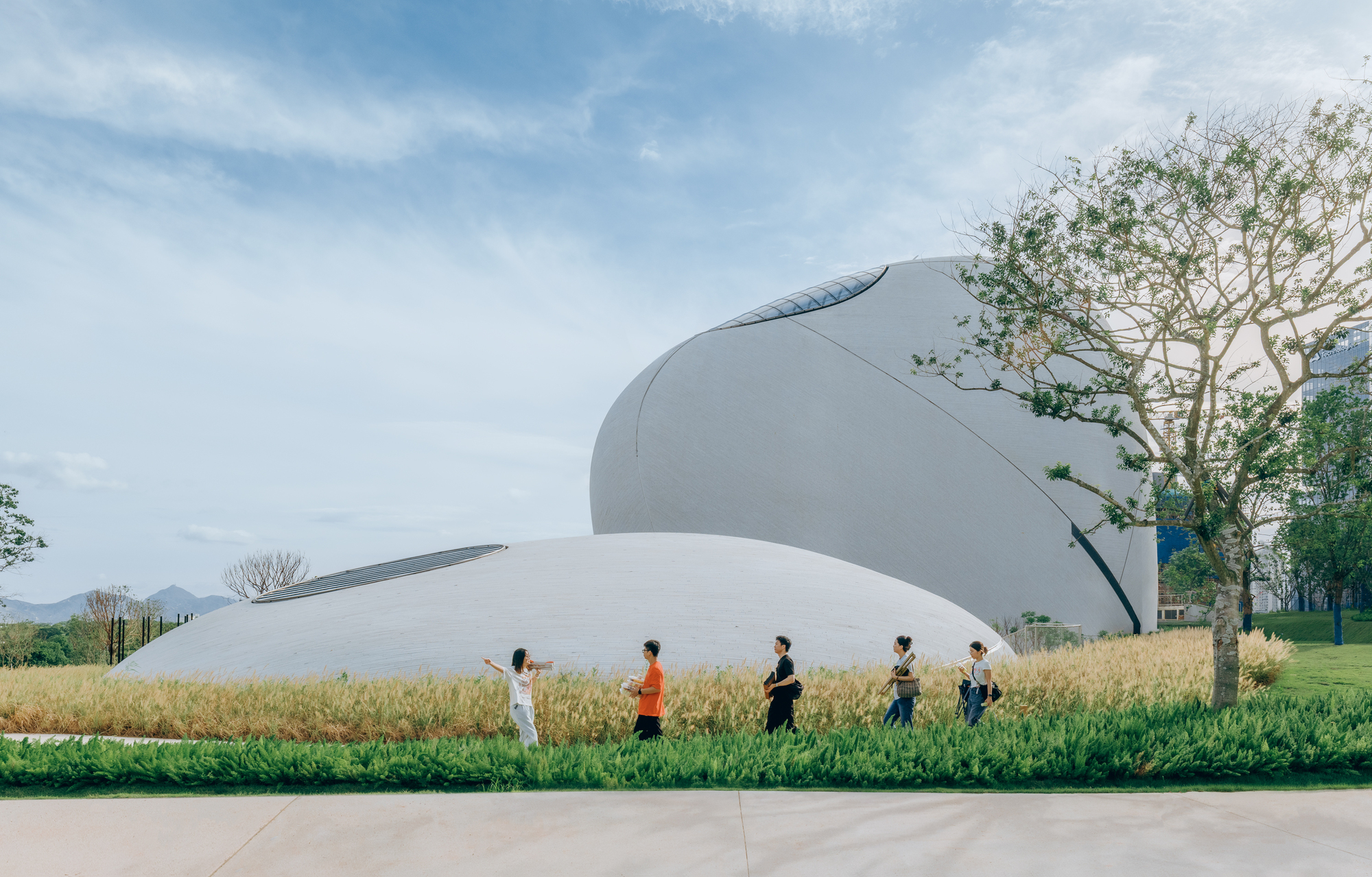
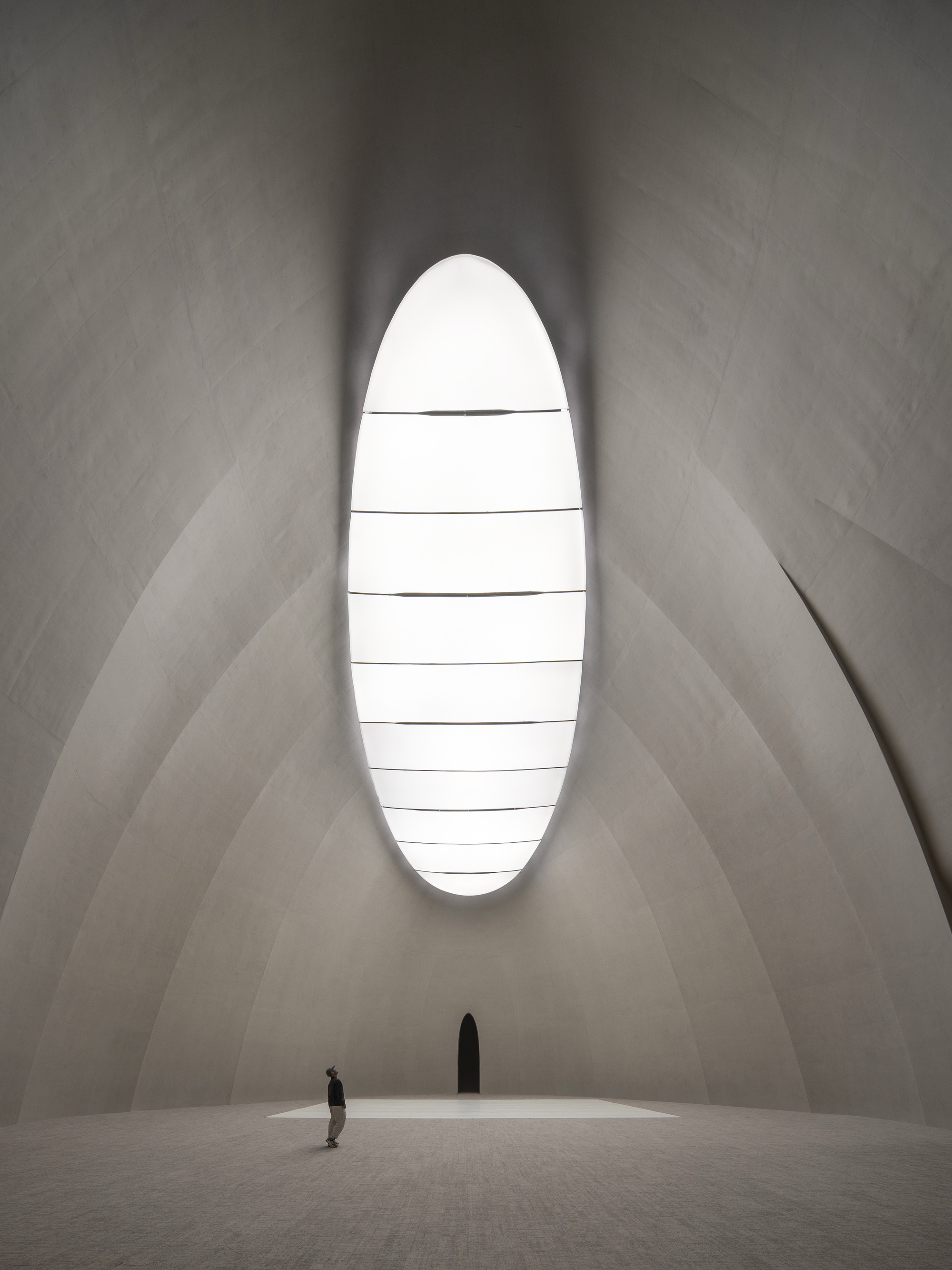
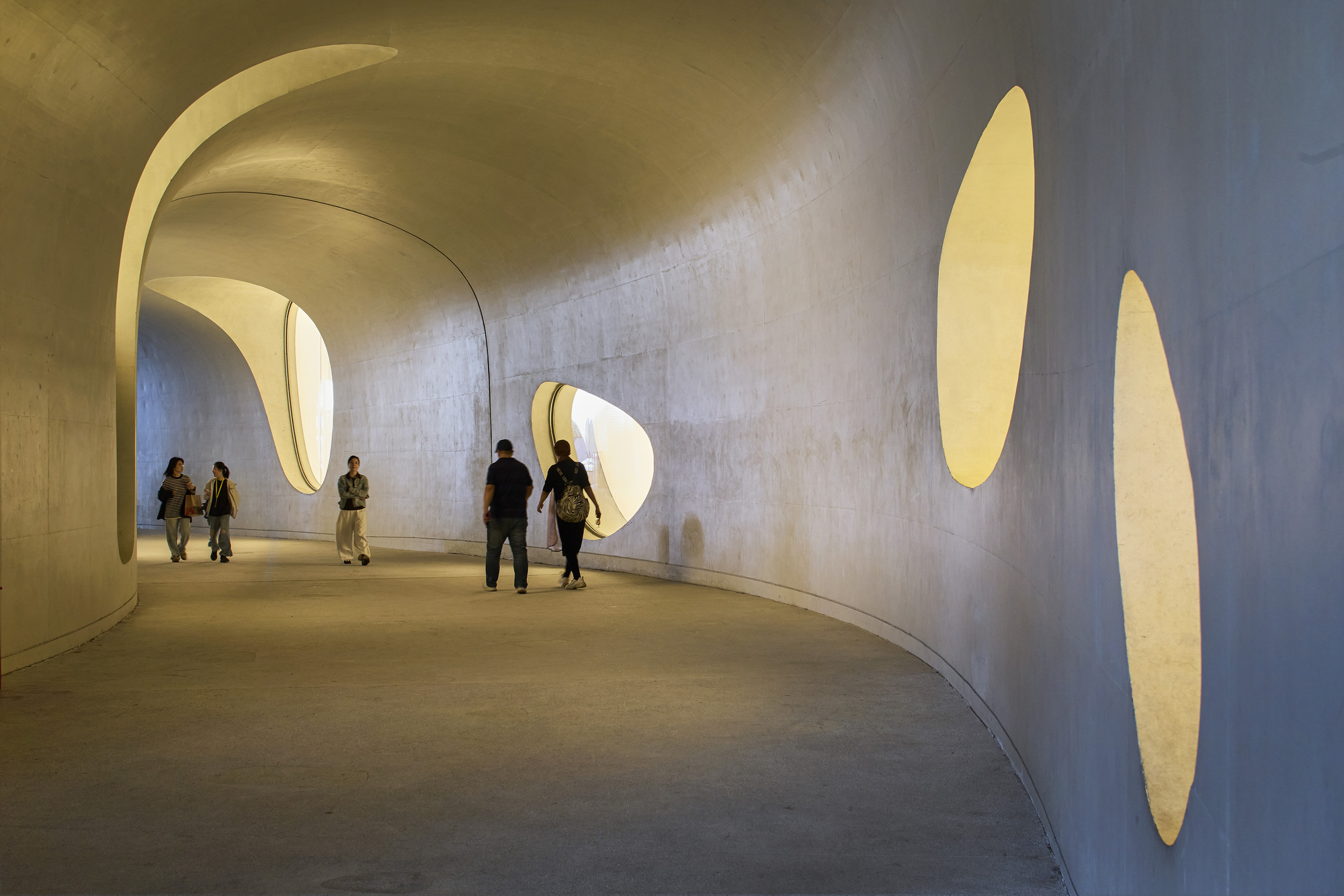
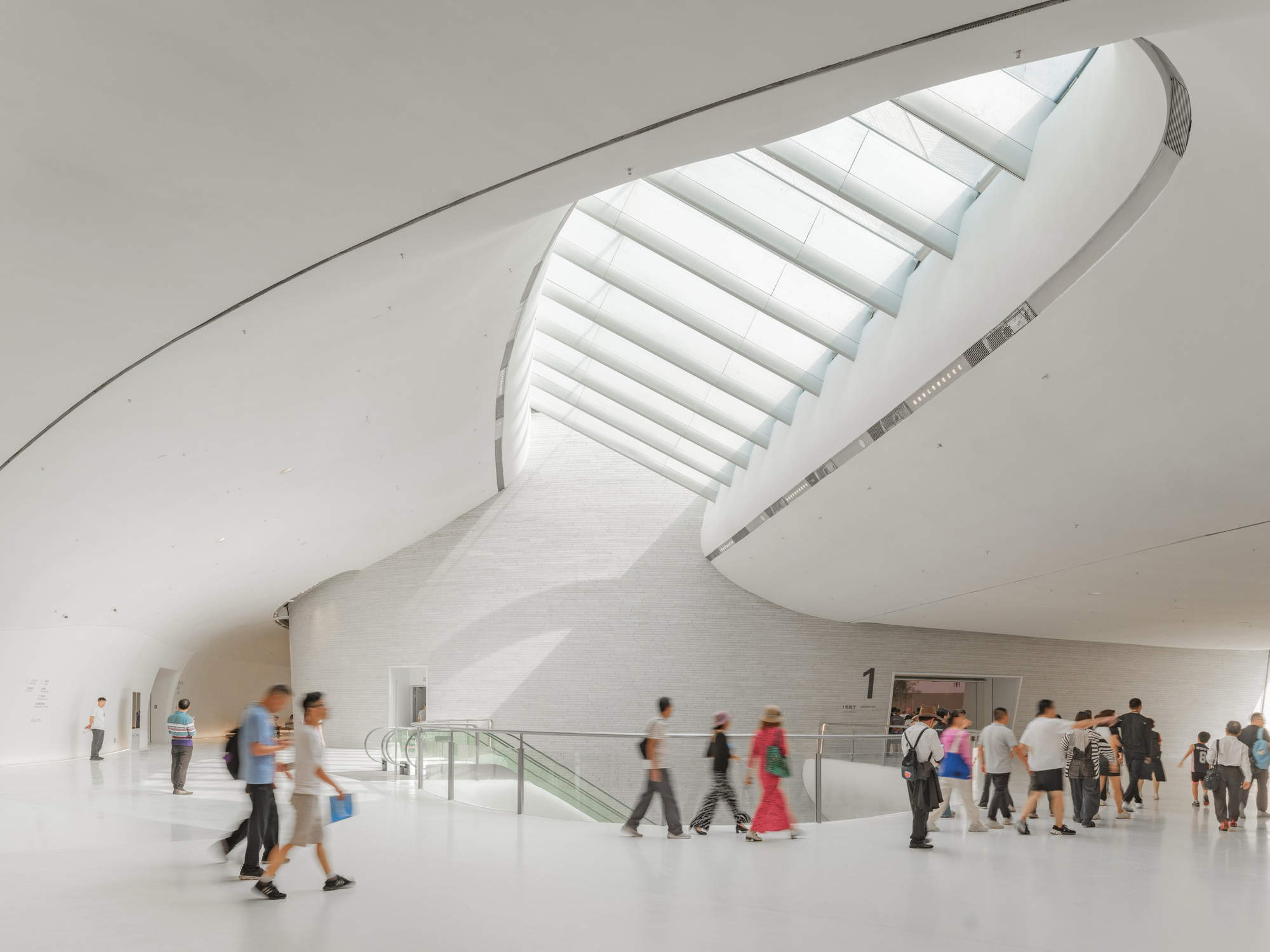
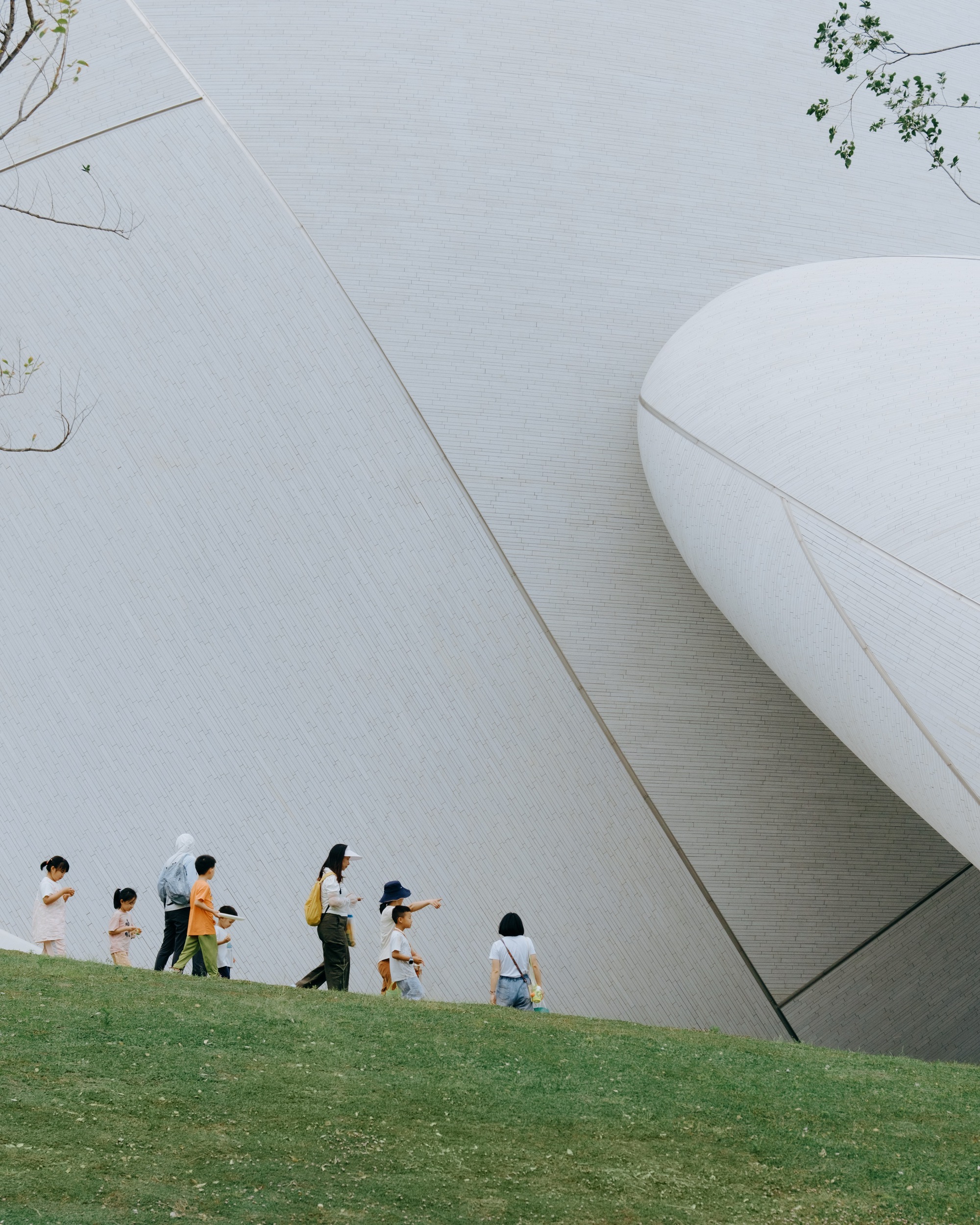
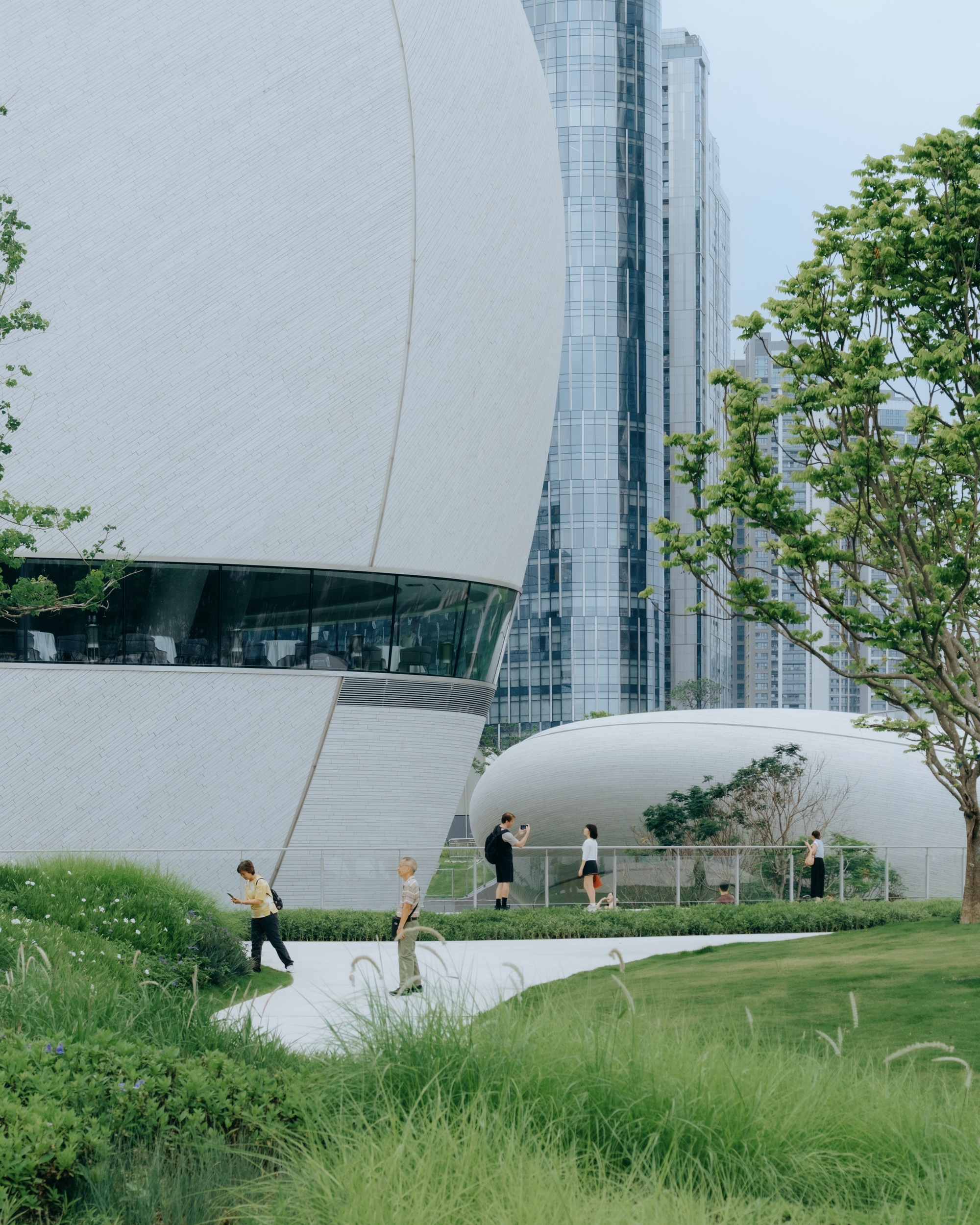
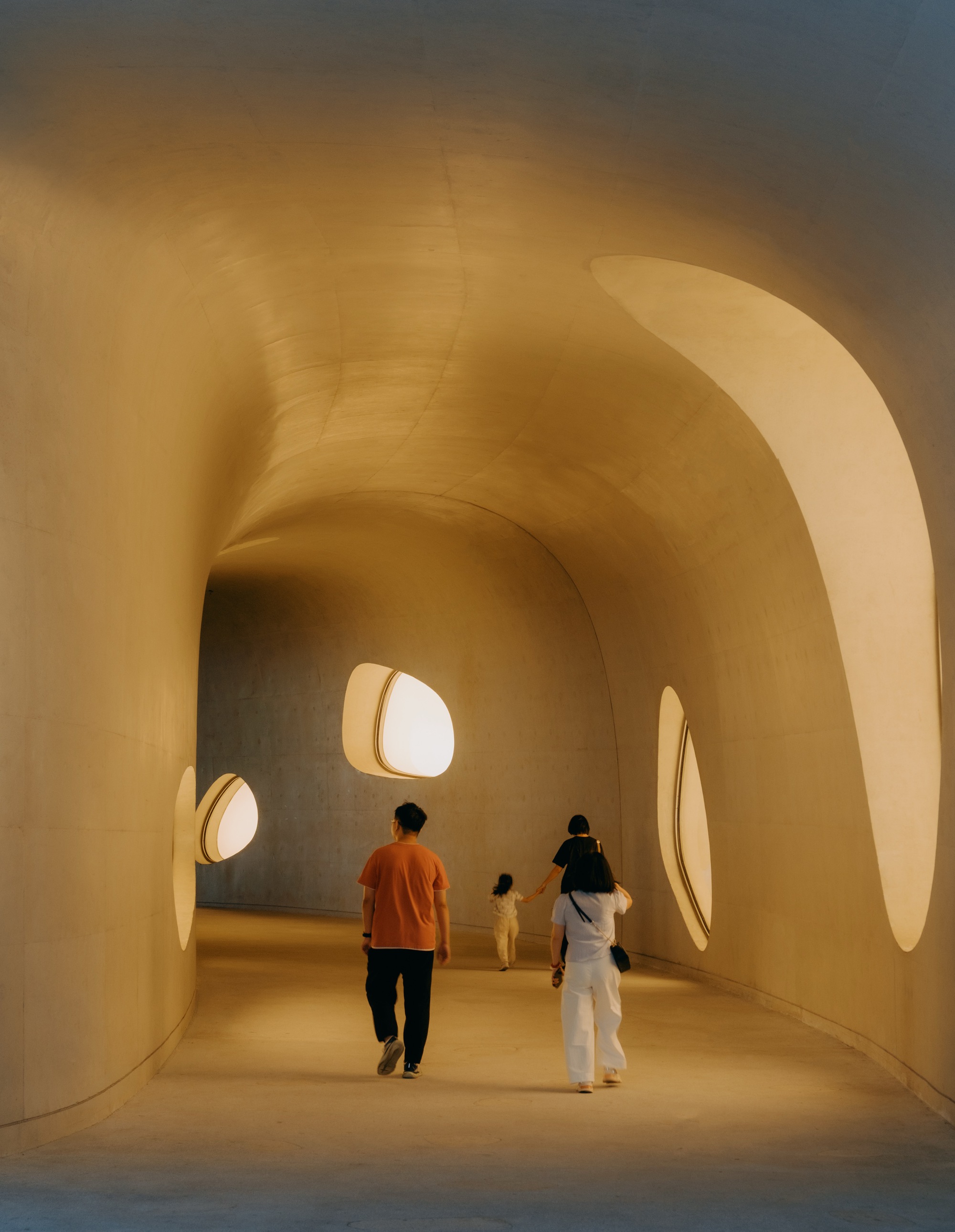
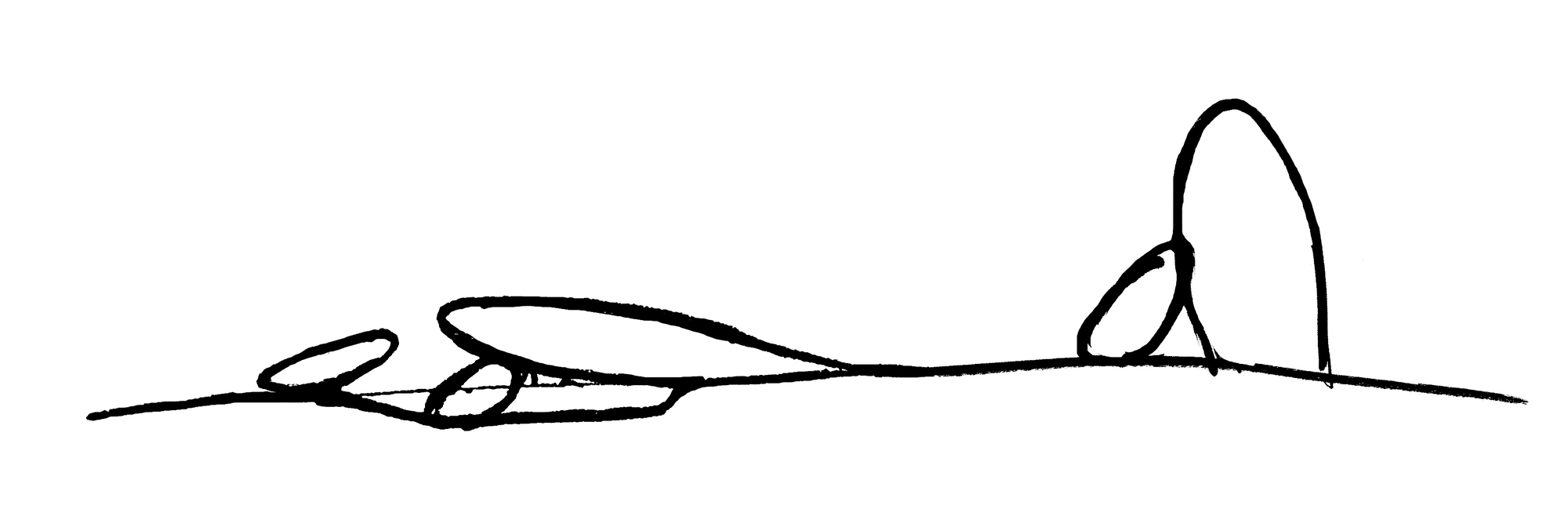
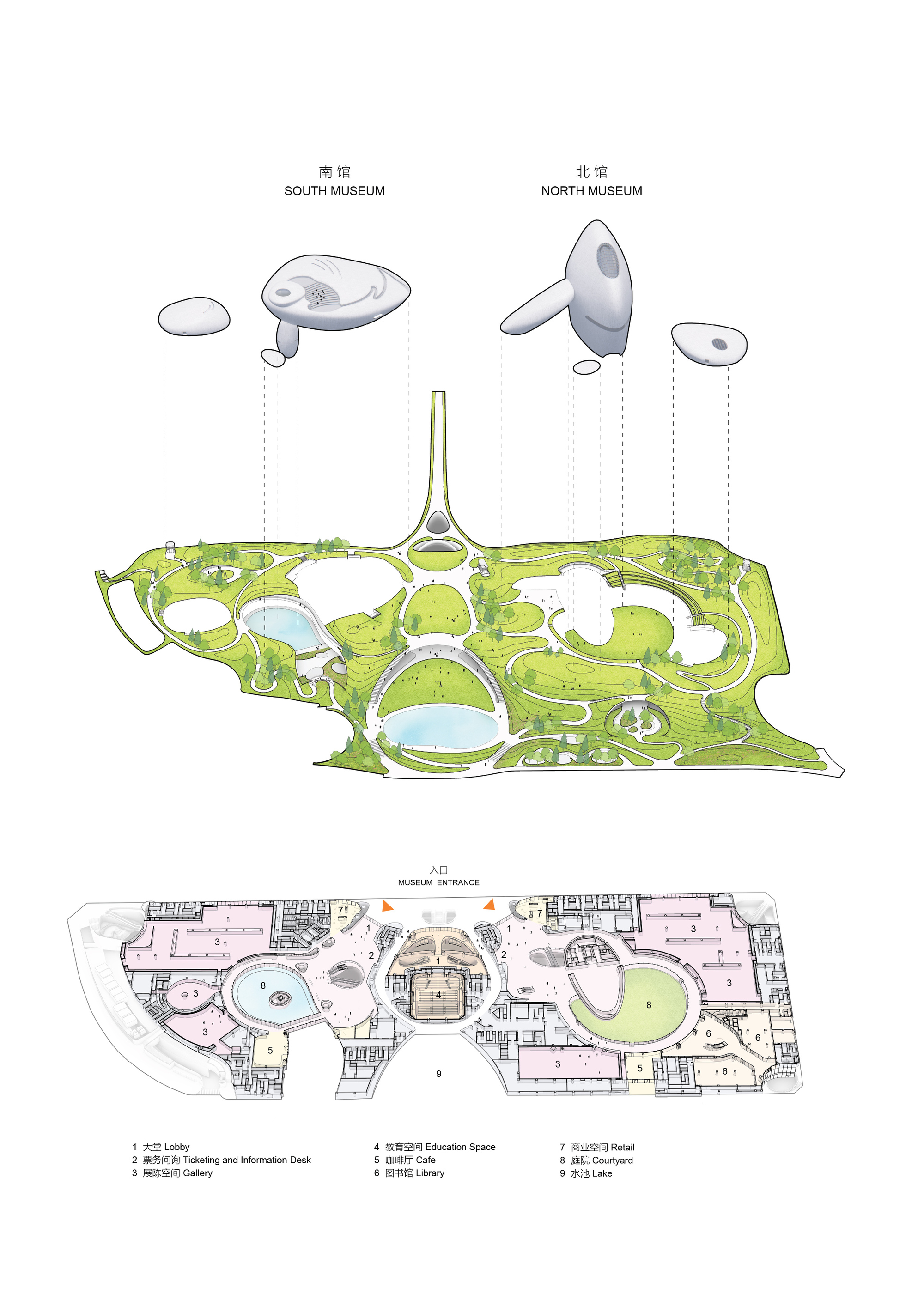
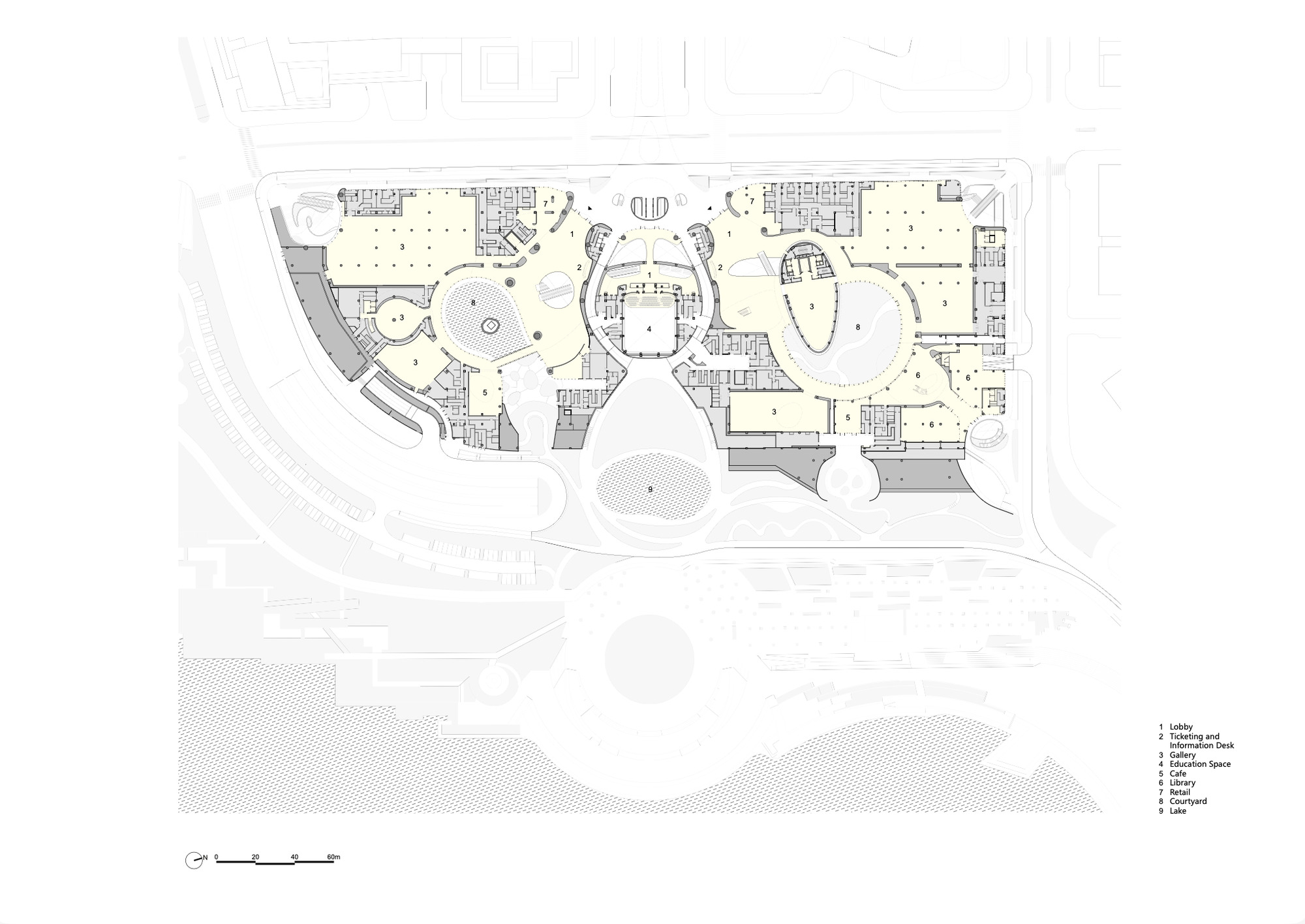
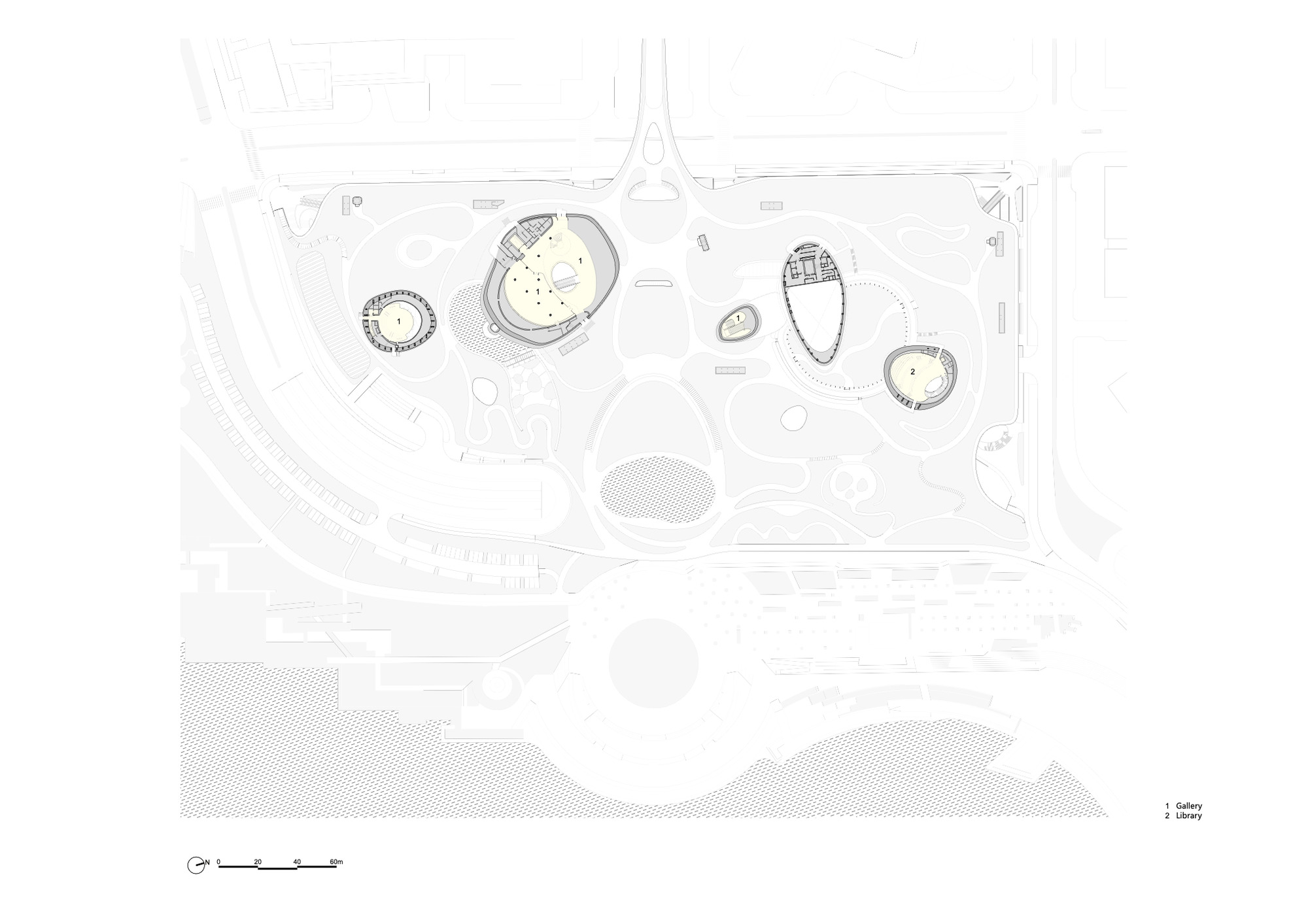
MAD’s design strategy is familiar in its ambition but unusually pointed in this setting. The office has long been interested in softening the institutional monument, replacing the authoritative front with forms that suggest topography, drift, or atmosphere. At Shenzhen Bay Culture Square, that approach becomes a practical urban device. A large museum program is dispersed into north and south clusters, while paths, roof gardens, plazas, and passages create several ways to enter, cross, pause, and look outward.
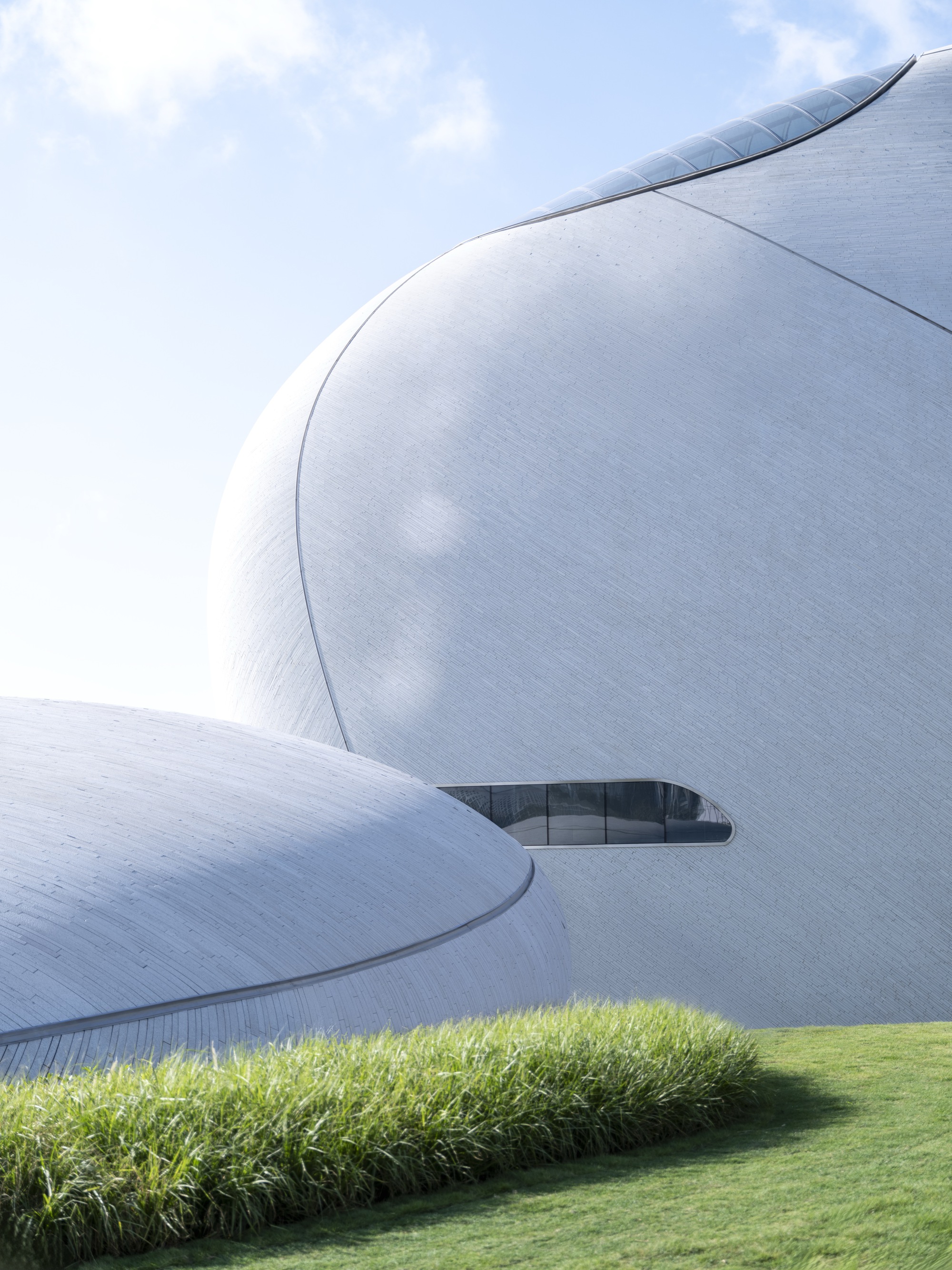
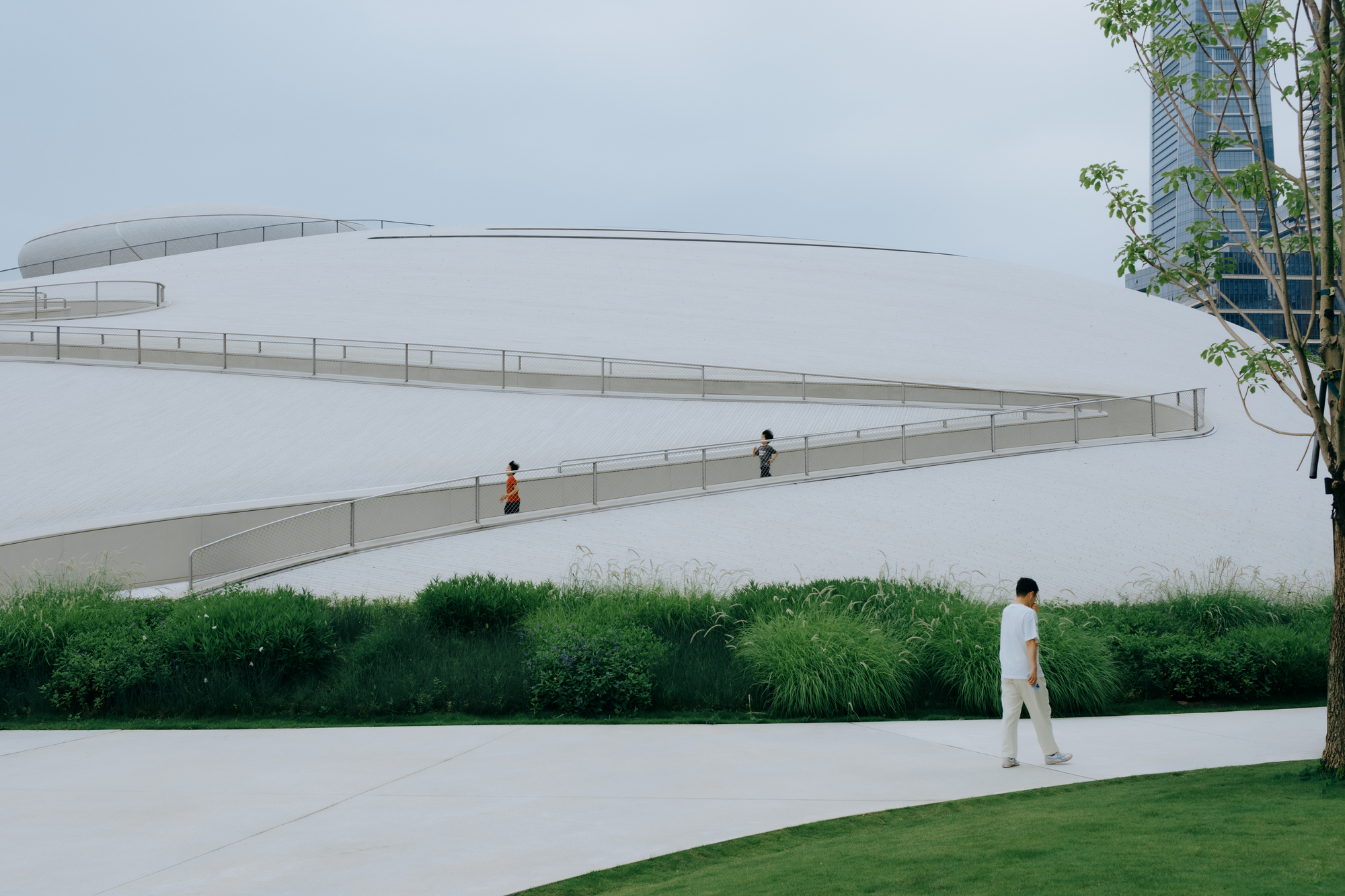
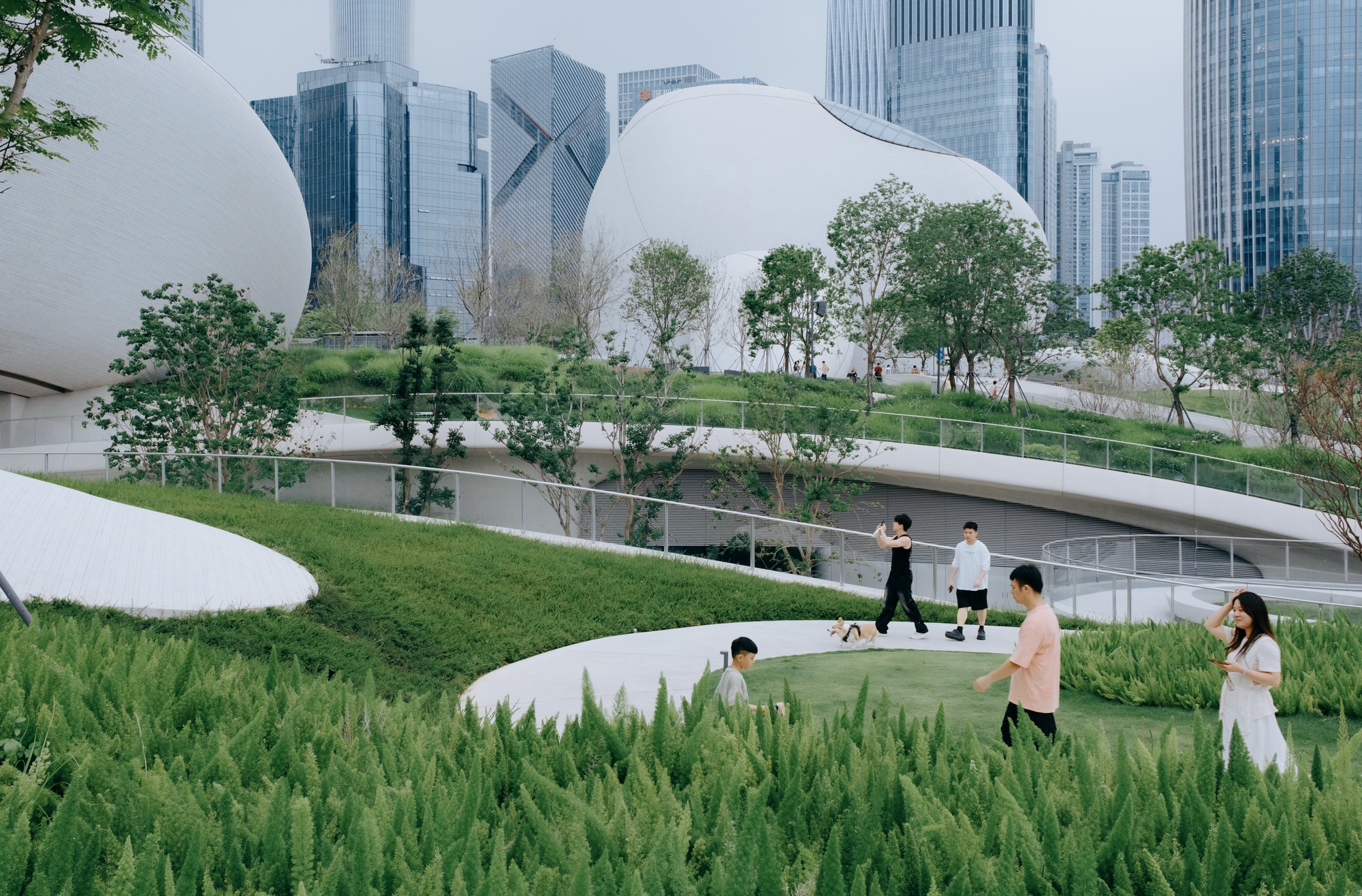
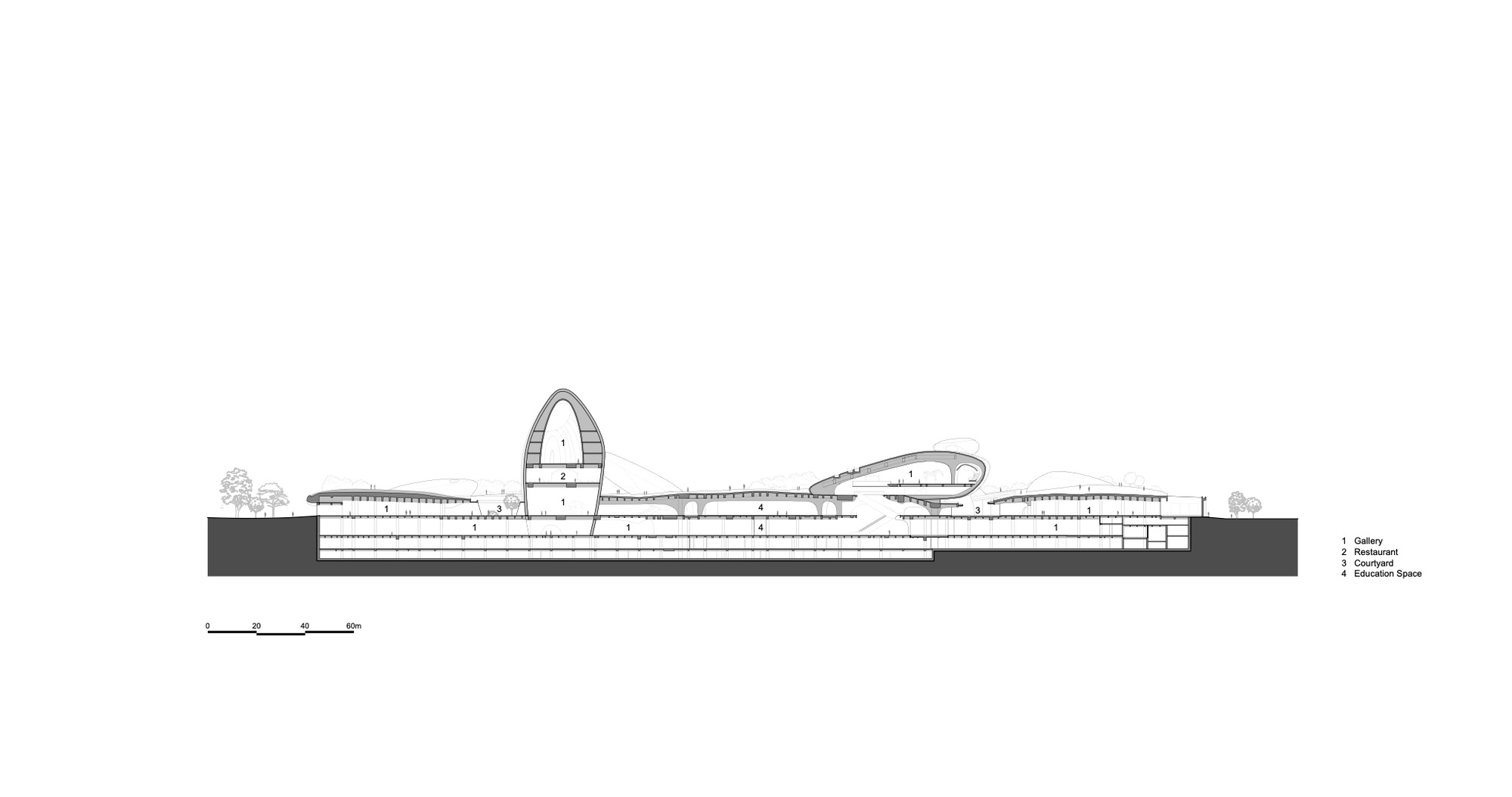
The most significant move is the roof. Rather than serving as a technical cap, it becomes a continuation of the public realm. Planted roof surfaces, gentle slopes, overlooks, and open circulation paths transform a substantial cultural institution into a walkable field. This is a meaningful shift for museum architecture in dense Asian cities, where cultural buildings often oscillate between iconic enclosure and commercial podium. Here, the icon is not a single image but a sequence of gradients: tower to roof, roof to plaza, plaza to water, institution to park.
A Museum Without a Single Front
The project’s absence of a dominant front is not just a formal preference. It reflects a changing expectation for civic architecture in districts that are used throughout the day by office workers, families, tourists, runners, and event audiences. A museum in this context cannot depend only on ticketed rooms. It has to perform as shade, shortcut, lookout, promenade, meeting point, and evening destination.
That is why the 24-hour public aspects described in the project coverage are important. They suggest a cultural complex whose civic value is not limited to operating hours or exhibition calendars. The exterior terrain becomes part of the institution’s public program. In design terms, this places Shenzhen Bay Culture Square closer to contemporary landscape urbanism than to the conventional museum as freestanding container.
Ecology and the Bayfront Question
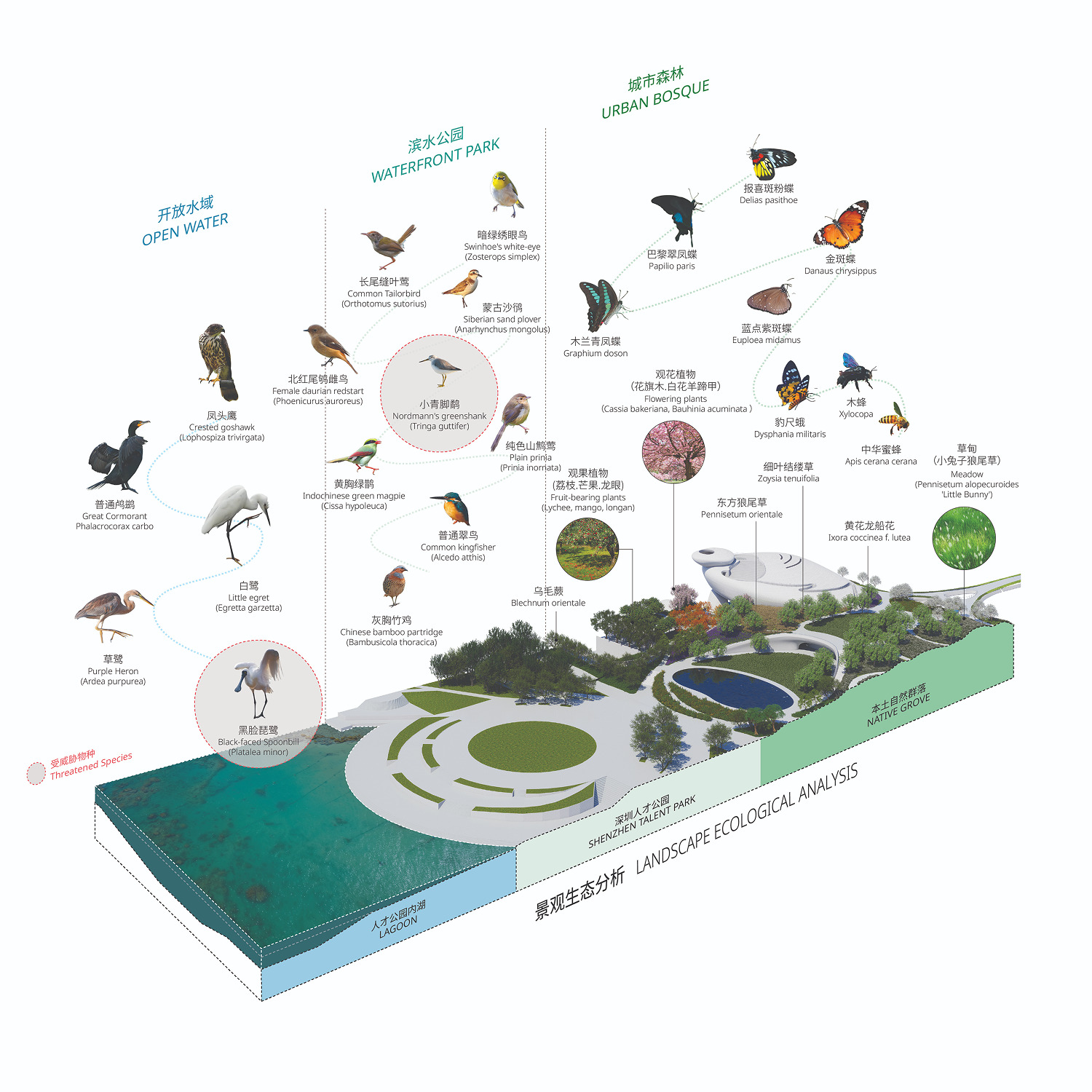
The site also belongs to a larger coastal ecology. Chinese government reporting on Shenzhen and Hong Kong’s joint conservation work describes the Shenzhen Bay, or Deep Bay, wetland ecosystem as internationally important for waterbirds on the East Asian-Australasian Flyway, with mangrove wetlands in Shenzhen and Hong Kong forming linked ecological areas. That context makes the culture square’s low profile and planted surfaces more than aesthetic gestures, although the degree of ecological performance would require detailed environmental data beyond the published architectural description.
Still, the project raises a useful question for rapidly urbanizing waterfronts: can a cultural landmark acknowledge ecological adjacency without reducing nature to a view? MAD’s proposal appears to answer through section and movement. The building is lower toward the coast, porous at ground level, and visually tied to planting and water. Its shallow pool and green roofs echo the bayfront condition, while the fragmented volumes avoid the single, bulky silhouette that might dominate the edge.
There is a caution here. Architecture can easily aestheticize wetlands while the real work of conservation happens through policy, monitoring, habitat protection, and cross-border cooperation. The strongest reading of Shenzhen Bay Culture Square is therefore not that it solves the ecological pressures of the bay, but that it makes those pressures visible within the cultural identity of the district. It places a museum between finance and habitat, and asks visitors to experience that relationship physically.
Implications
Shenzhen Bay Culture Square suggests a direction for cultural buildings in new business districts: less isolated spectacle, more civic ground. Its importance lies in how it reframes scale. At 188,000 square meters, the complex is unquestionably large, yet its architectural language works to distribute that size into walkable fragments, planted roofs, and open passages. The result is a landmark that depends less on frontal photography than on use over time.
For Shenzhen, the project helps consolidate Nanshan’s bayfront as a place where innovation rhetoric, public culture, and environmental awareness are asked to coexist. For museum design more broadly, it contributes to an ongoing move away from the sealed cultural object and toward institutions that behave like urban landscapes. The measure of its success will not be only its galleries or its silhouette, but whether the public continues to occupy its roofs, edges, routes, and open spaces as part of ordinary city life.
Sources
ArchDaily; Nanshan Government Online / Shenzhen Daily; Nanshan Business Environment; Shenzhen Talent Park; The State Council of the People’s Republic of China.
Gallery



Comments
Post a Comment